Inspired by the Philosophy of Reggio Emilia
What Does It Mean to Be Reggio-Inspired?
At KatieB Kids, our practice is inspired by the educational philosophy of Reggio Emilia and shaped by our own Let's Nurture Futures™ Framework.

We Are Not Reggio Emilia
Reggio Emilia is a city in northern Italy that has become internationally recognised for its approach to early childhood education. Over many decades, educators, researchers and families in Reggio Emilia have developed a way of thinking about children, learning and community that continues to influence practice around the world.
At KatieB Kids, we do not claim to be Reggio Emilia, nor do we seek to replicate it.
Instead, we are inspired by many of the values, principles and ideas that emerged from Reggio Emilia and continue to shape our own approach to early years education.
Being Reggio-inspired is not about following a programme, adopting a particular aesthetic or recreating somebody else's nursery. It is about continually reflecting on how we view children, how we support learning and the role we play as educators.
While our practice is influenced by the educational philosophy of Reggio Emilia, it is also shaped by our own experiences, research, professional learning and the unique community of children and families we serve.
Our goal is not to become Reggio Emilia.
Our goal is to continue developing the very best version of KatieB Kids for the children, families and communities we serve.
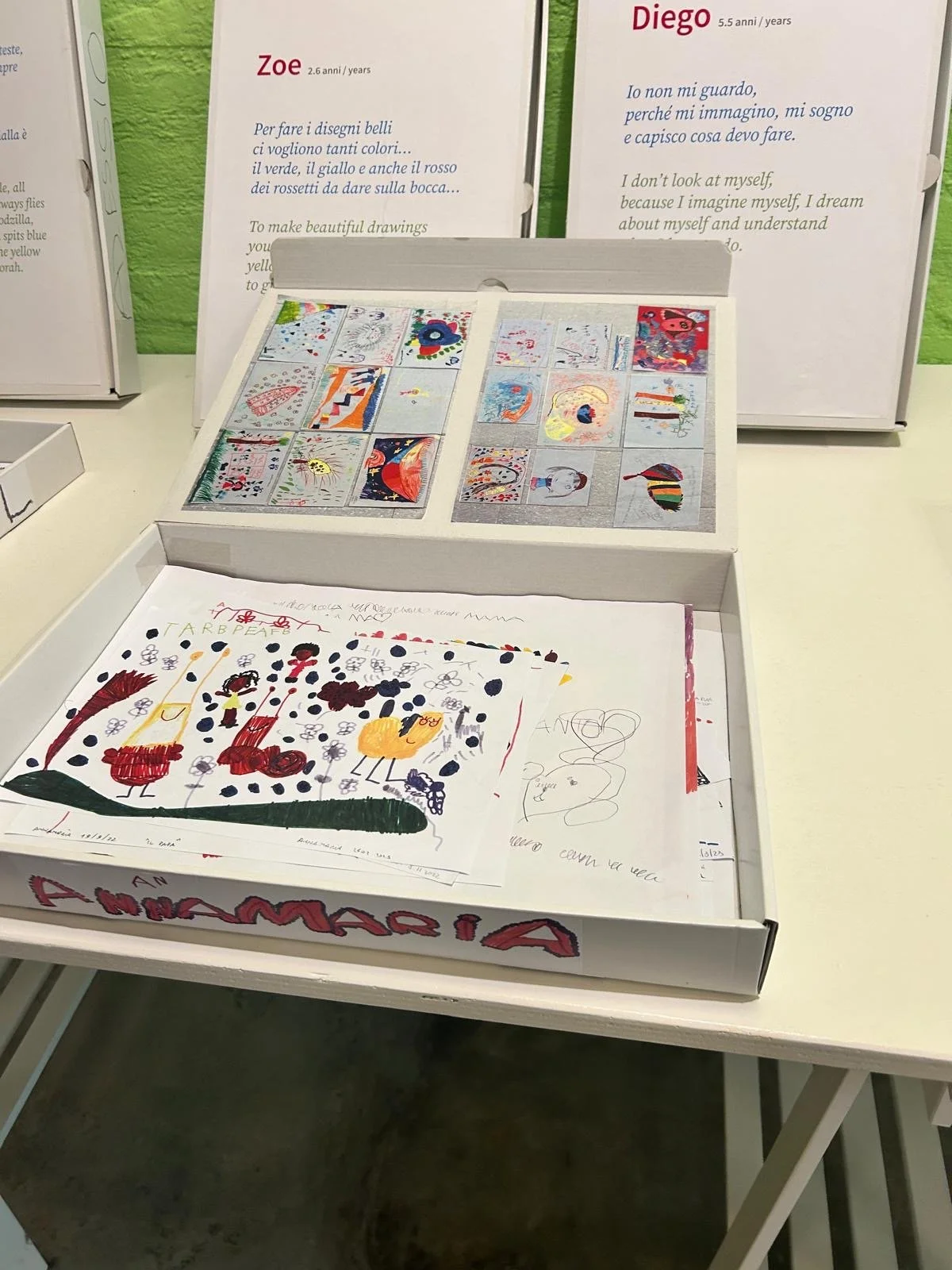
It Starts With Our Image of the Child
At the heart of Reggio Emilia is a powerful belief: children are capable, competent and full of potential.
Rather than viewing children as empty vessels waiting to be filled with knowledge, Reggio-inspired educators see children as active participants in their own learning. Children arrive with ideas, questions, theories, interests and experiences that deserve to be listened to, valued and explored.
This image of the child influences every aspect of our practice. It shapes how we interact with children, how we design environments, how we plan experiences and how we respond to children's ideas.
At KatieB Kids, we believe children are naturally curious learners. They are capable of making choices, solving problems, building relationships and contributing meaningfully to their communities.
Our role is not simply to teach children. It is to listen, observe, support and create opportunities for them to explore their ideas, develop their understanding and discover what they are capable of.
When we begin with a strong image of the child, we create a culture where children feel respected, valued and empowered as learners.
Learning as a Process of Discovery
In a Reggio-inspired approach, learning is not viewed as something that happens to children. It is something children actively construct through exploration, investigation, relationships and experience.
Children learn by asking questions, testing ideas, solving problems, making connections and revisiting their thinking over time. Rather than moving quickly from one activity to the next, they are encouraged to explore their interests in depth and develop their understanding through meaningful experiences.
This means that learning often begins with curiosity.
A question. An observation. A conversation. A collection of leaves. A shadow on the wall. A flower on a table.
These seemingly small moments can become the starting point for rich learning experiences when children are given the time, space and support to investigate them further.
As educators, our role is not simply to provide answers. We observe carefully, listen closely and seek to understand what children are thinking. We use these observations to extend learning, introduce new possibilities and create opportunities for children to revisit and deepen their ideas.
At KatieB Kids, we believe some of the most meaningful learning happens when children are given the freedom to wonder, explore and discover for themselves.
The Hundred Languages of Children
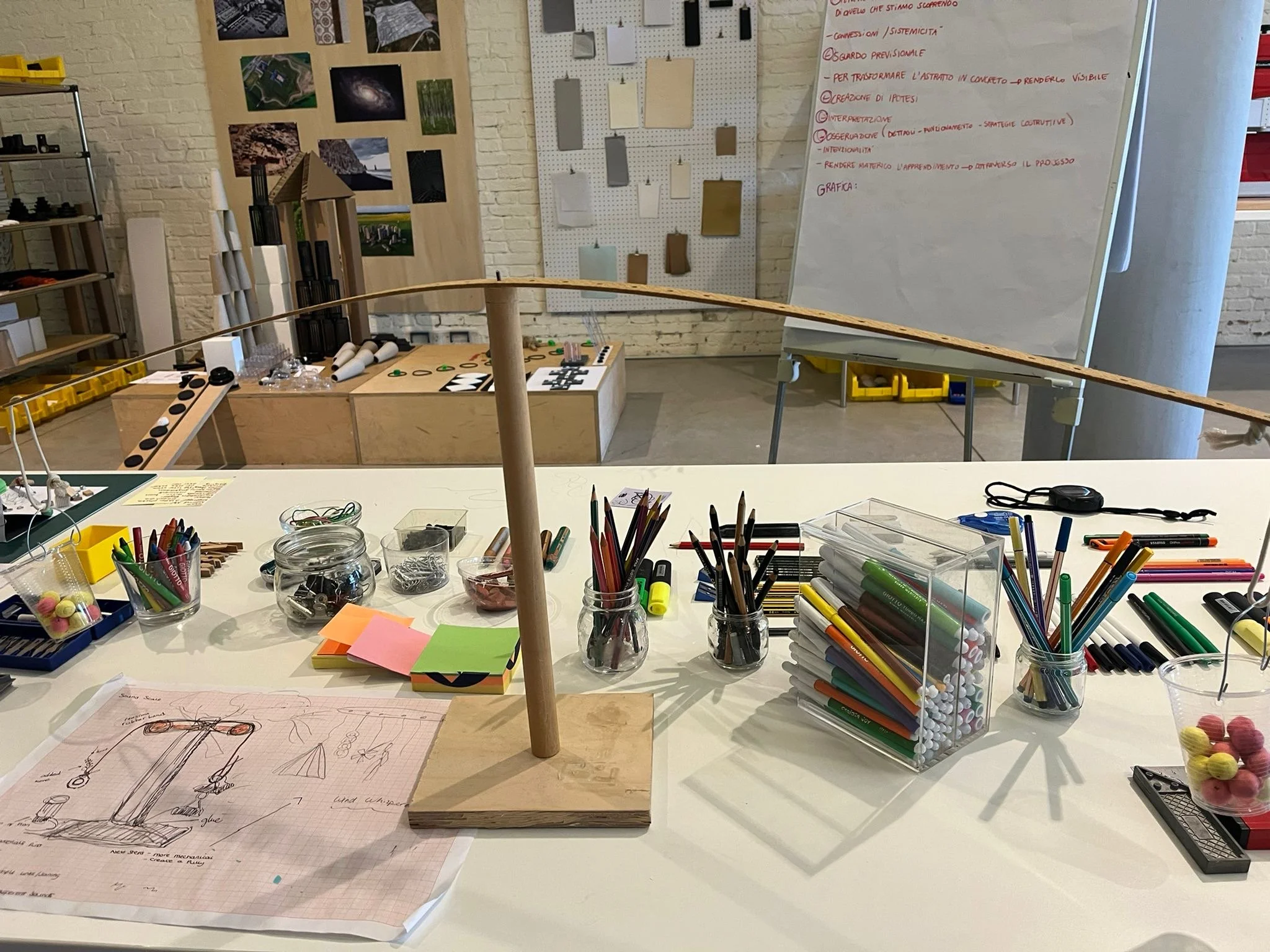
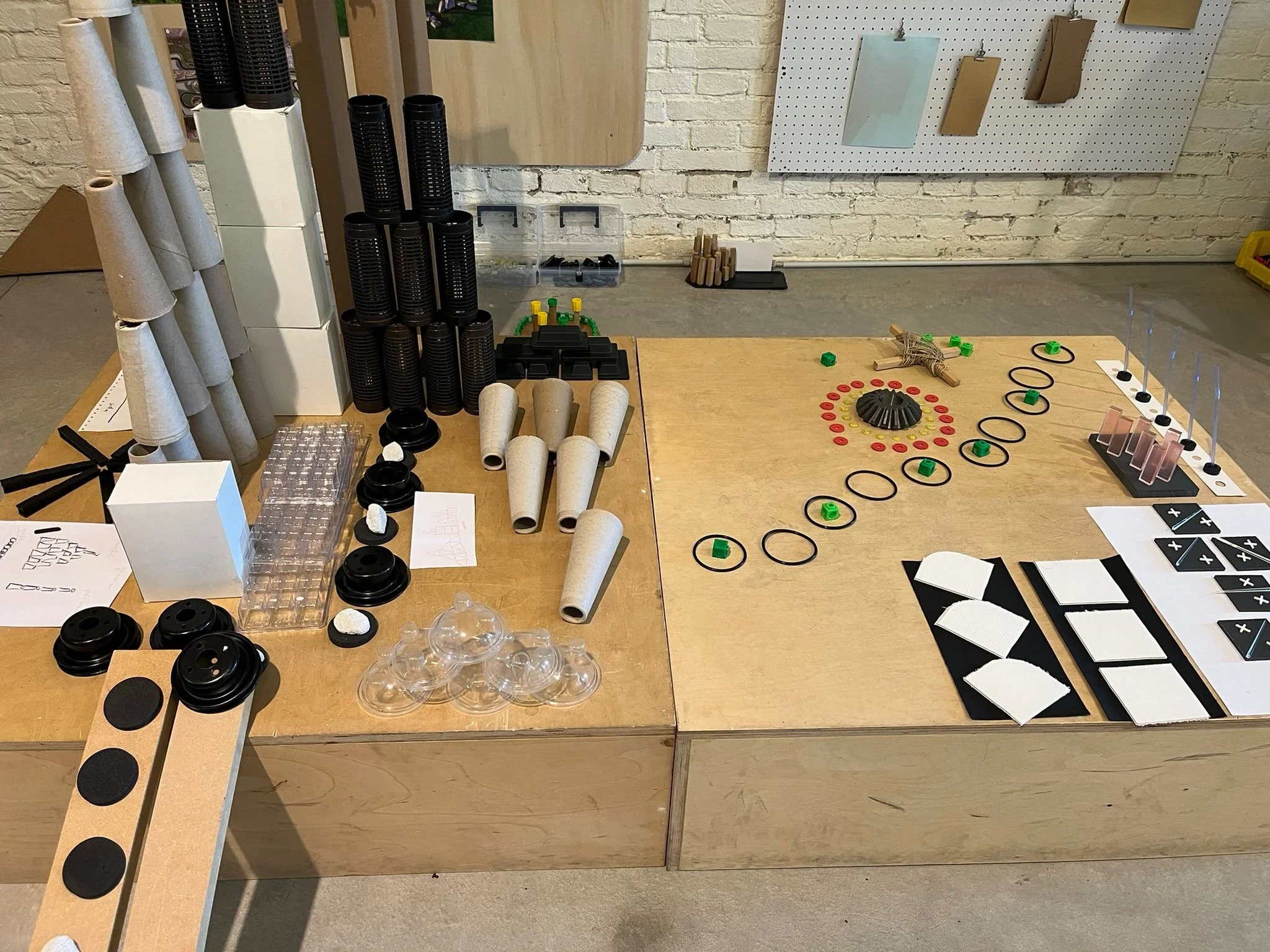
One of the most well-known ideas associated with Reggio Emilia is the concept of The Hundred Languages of Children.
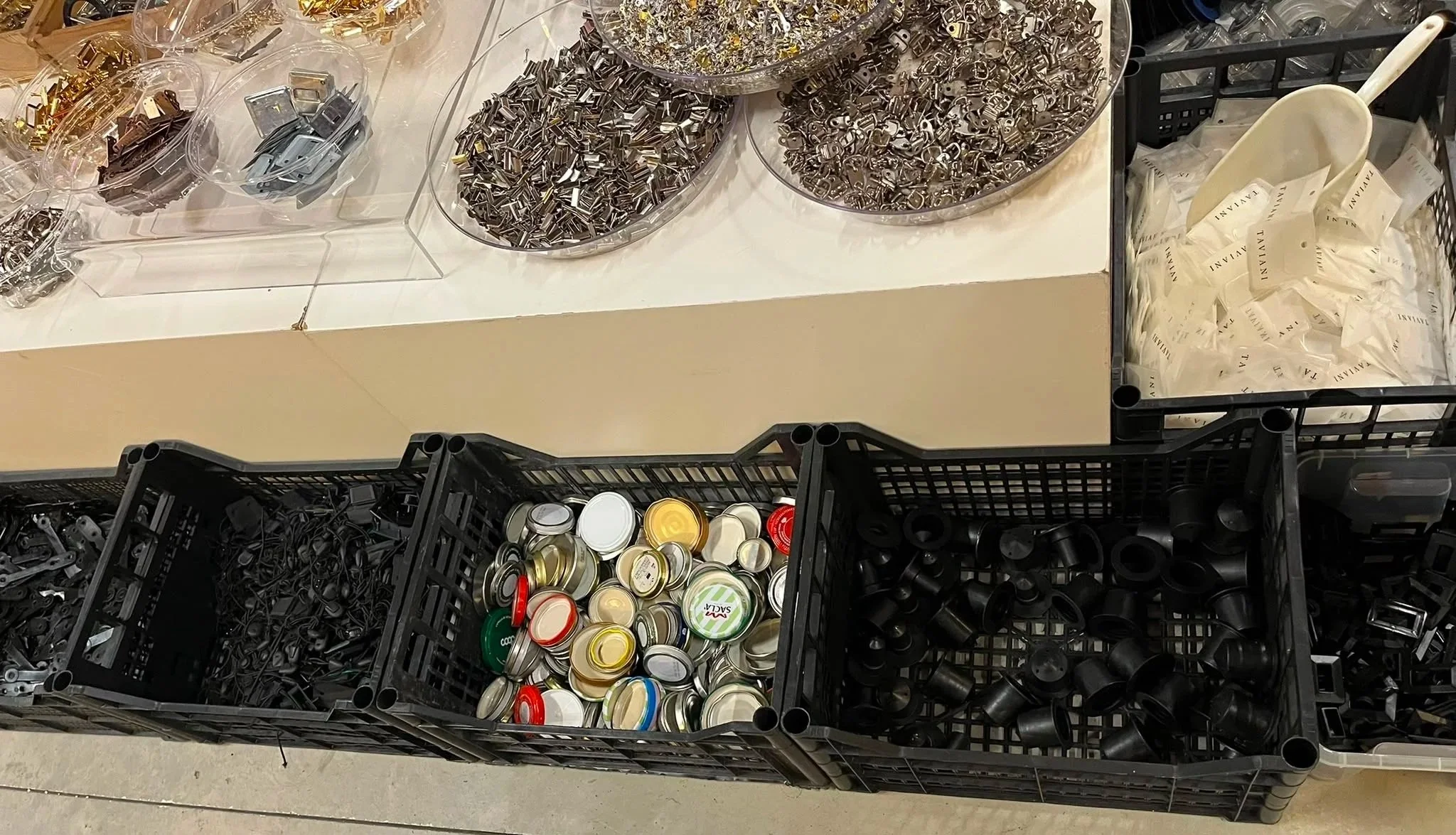
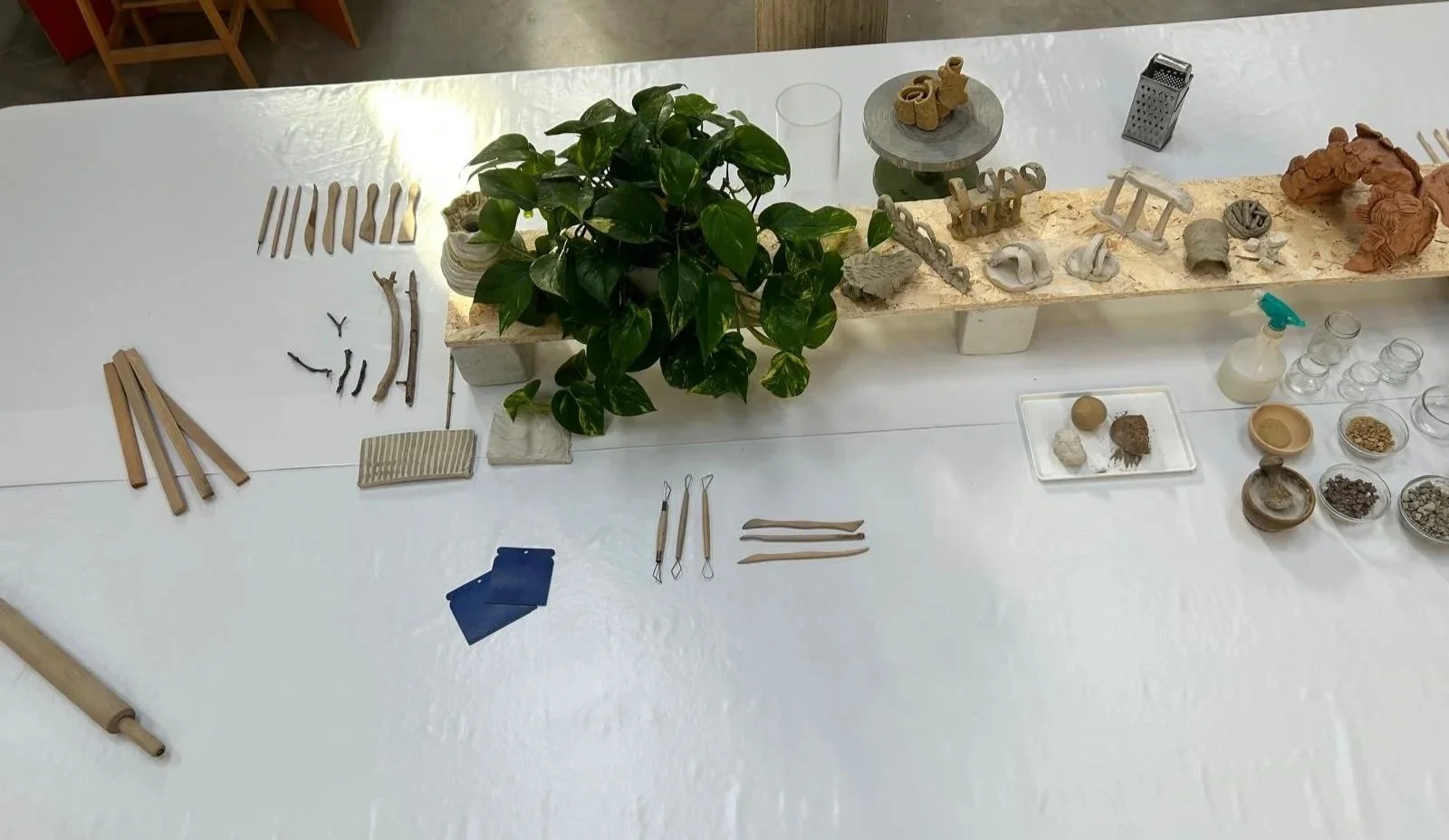
This idea recognises that children do not express their thoughts, feelings and understanding in just one way. While words are important, children also communicate through movement, music, drawing, painting, construction, storytelling, role play, clay, mark making, dance, photography and countless other forms of expression.
Each of these "languages" offers children a different way to explore ideas, represent their thinking and make sense of the world around them.
In a Reggio-inspired environment, creativity is not viewed as a separate activity or a specific area of learning. It is a way of thinking, communicating and learning. Children are encouraged to revisit ideas through different materials and experiences, often discovering new perspectives and deeper understanding along the way.
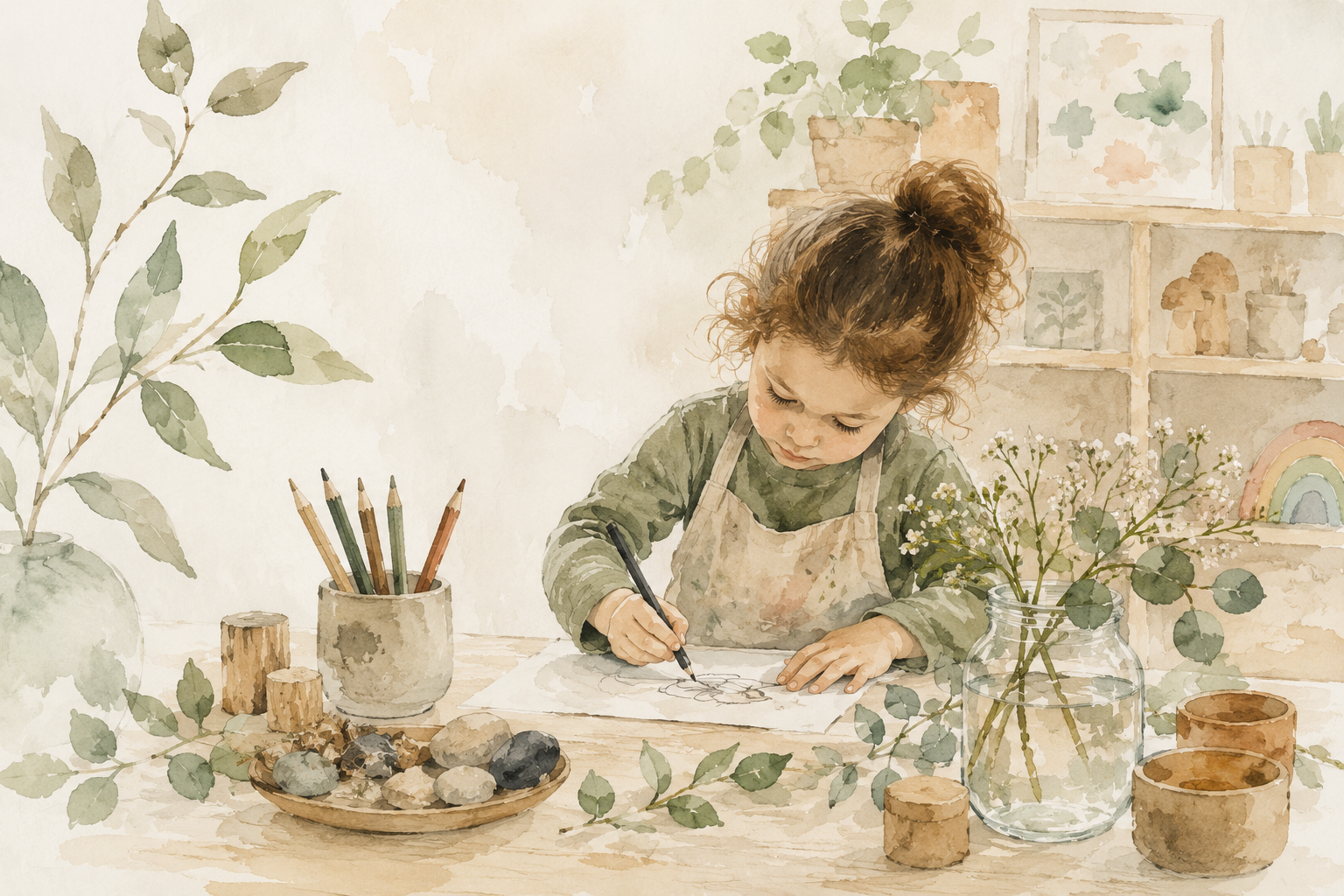
For example, a child who is fascinated by flowers may choose to observe them closely, draw what they see, create representations using clay, photograph details they notice or share their ideas through storytelling and conversation. Each experience helps to deepen their understanding and provides another way for them to communicate their thinking.
At KatieB Kids, we value the many different ways children express themselves. By offering a rich range of materials, experiences and opportunities for creativity, we help children develop confidence in their own ideas while recognising that every child has a unique voice and perspective to share.
Relationships Matter
At the heart of a Reggio-inspired approach is the belief that learning happens through relationships. Children learn through their interactions with other children, educators, families, materials and the wider community. These relationships provide the foundation for belonging, confidence, curiosity and growth.
In Reggio Emilia, education is viewed as a collaborative process rather than something that is delivered to children. Learning is built through dialogue, shared experiences, listening and mutual respect. This means that relationships are not viewed as separate from learning; they are an essential part of it.
At KatieB Kids, we recognise that strong relationships help children feel safe, valued and understood. When children develop trusting relationships with the adults around them, they are more likely to take risks, share their ideas, ask questions and engage deeply in learning.
Relationships also extend beyond the nursery itself. Families are viewed as partners in learning, bringing valuable knowledge, experiences and perspectives that help us understand each child more fully. We believe that when children, families and educators work together, we create a stronger community and richer opportunities for learning.
As the Reggio Emilia community often reminds us, education is not the responsibility of one person alone. It is something we build together.

“Learning and teaching should not stand on opposite banks and just watch the river flow by; instead, they should embark together on a journey down the water.”