
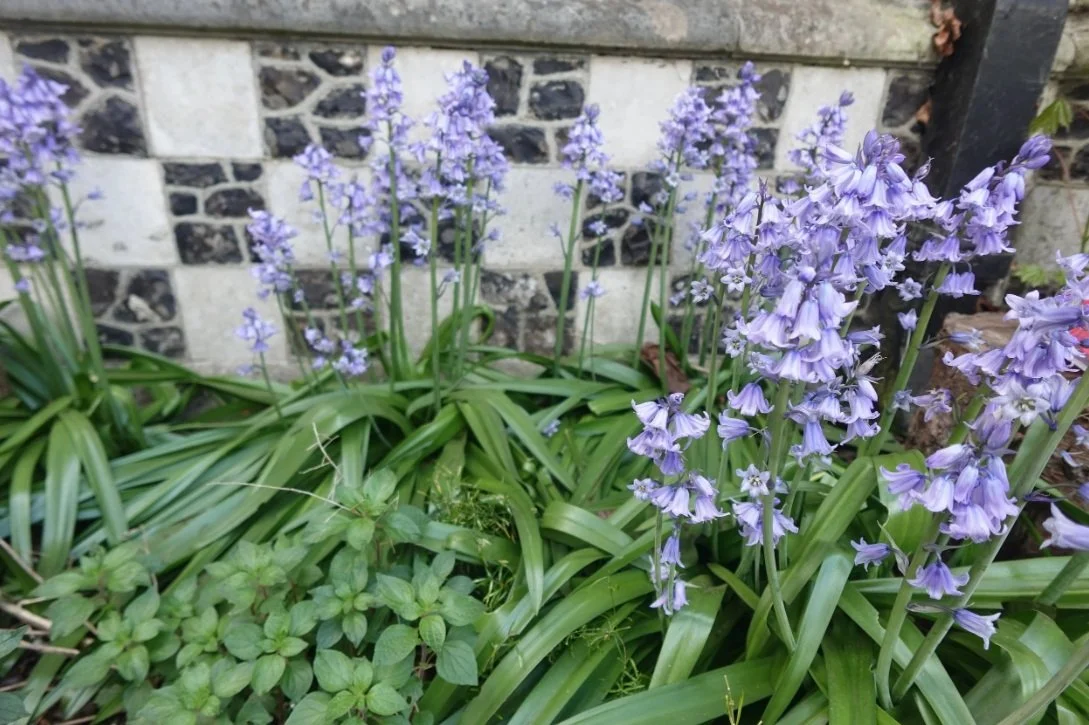
The Story of St Luke’s Chapel
More than 125 years of history in Stone
Today, St Luke’s is filled with the everyday life of young children. Light falls through its stained-glass windows onto spaces where children play and learn, its flint walls surround their gardens, and a building created more than a century ago has become part of a new generation’s childhood. But St Luke’s story began long before KatieB Kids.
Built at the turn of the twentieth century as the chapel for the City of London Lunatic Asylum at Stone, St Luke’s has witnessed more than 125 years of change. Its architecture still carries traces of the people who designed it, the institution it once served and the ideas of the time in which it was created.
Today, we are custodians of another chapter in its story.

1866
Before St Luke’s
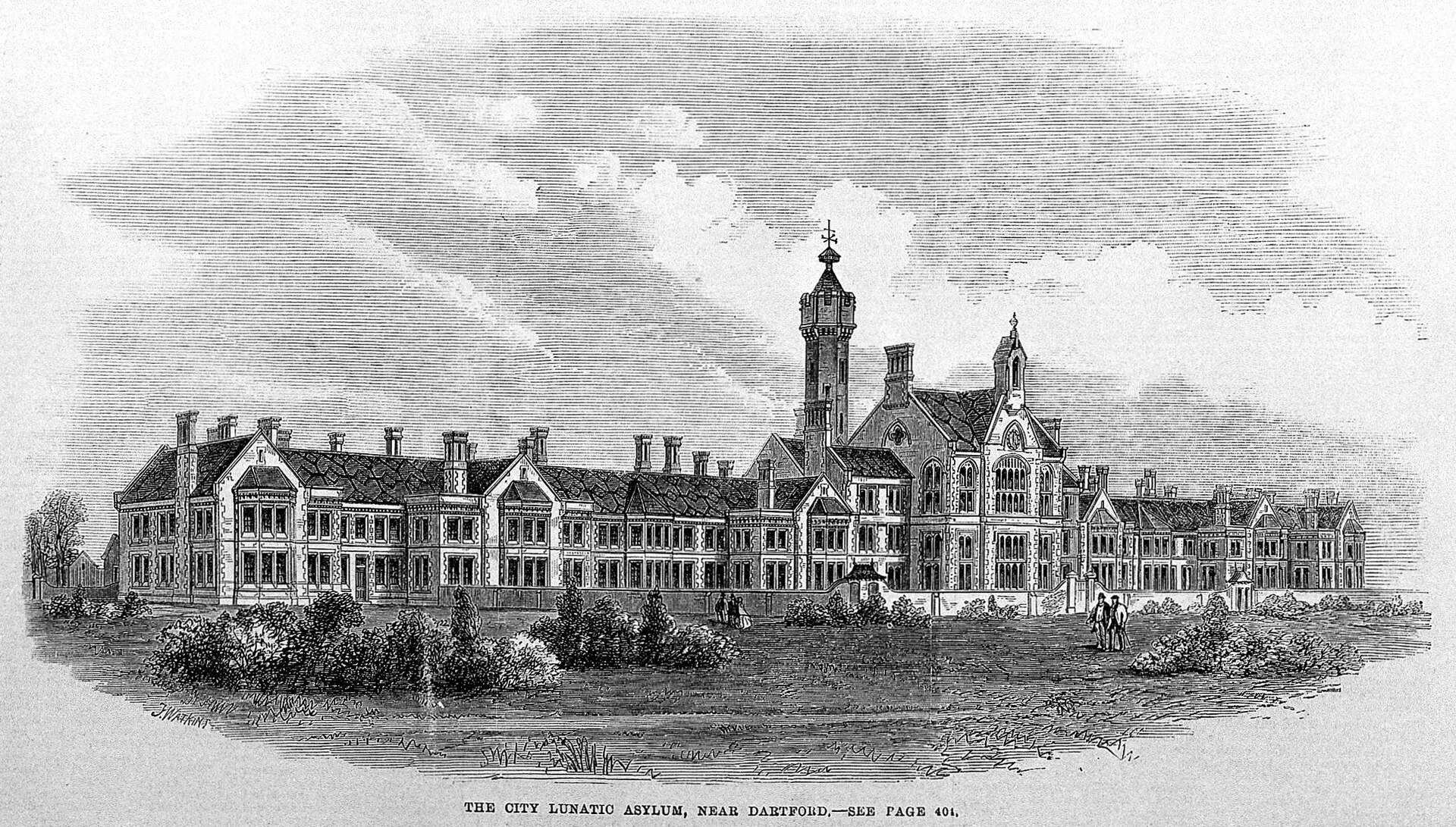
St Luke’s story begins with the opening of the City of London Lunatic Asylum at Stone in 1866.
Built on a large rural site away from the City of London, the asylum initially accommodated around 250 patients. Its extensive grounds included farmland, gardens and areas used for recreation, while life within the institution was organised into separate male and female sides. There was a chapel from the beginning, but it was not the St Luke’s we know today. The original chapel formed part of the main asylum building and, for its first decades, worship took place within the institution itself.
By the late nineteenth century, however, ideas about the design and organisation of asylums were changing. In 1887, the Commissioners in Lunacy stated that asylum chapels should be separate from the principal institutional buildings.
That same year, a new Medical Superintendent arrived at Stone — Dr Ernest William White — and a significant period of change began.
1887
A Period of Change
In 1887, Dr Ernest William White arrived at Stone as Medical Superintendent, beginning what would become an important period of change for the asylum.
White was a physician specialising in mental illness and would go on to become a prominent figure in his profession, later serving as President of the Medico-Psychological Association, the organisation that would eventually become the Royal College of Psychiatrists.
Looking back on his arrival at Stone in 1900, White recalled coming “with no light heart”. He believed significant structural and administrative changes were needed if the institution was to be brought “abreast the times.”
The chapel was one part of that changing landscape.
The same year White arrived, the Commissioners in Lunacy recommended that asylum chapels should be detached from the principal institutional buildings. At Stone, the existing chapel was still situated within the main asylum.
By 1895, that original chapel had been converted into a recreation room and stage, while plans developed for a new, separate chapel within the grounds.
That new chapel would become St Luke’s.
18 June 1898
The Foundation Stone is Laid
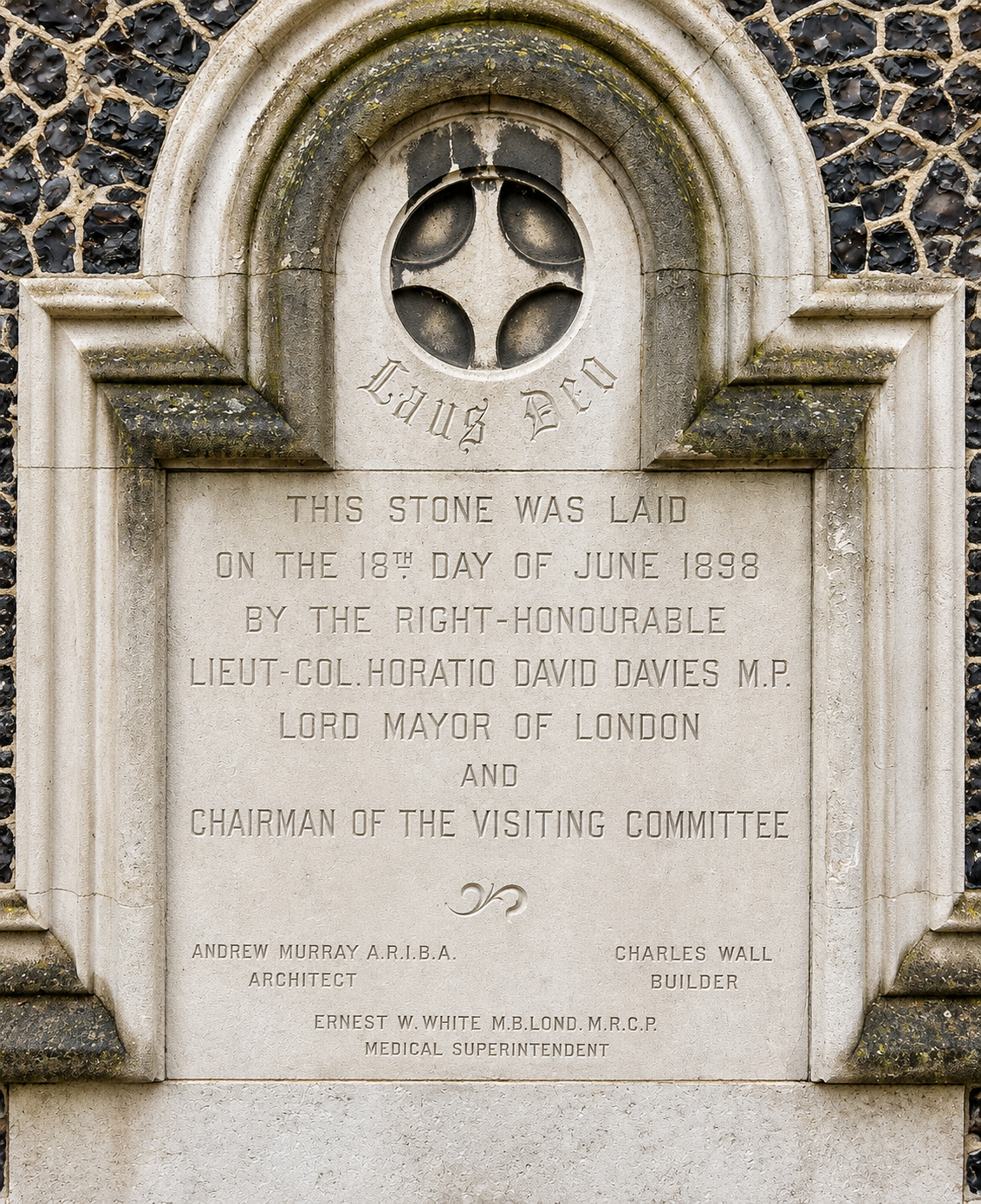
On 18 June 1898, the foundation stone of the new chapel was laid by Sir Horatio David Davies, then Lord Mayor of London and Chairman of the asylum’s Visiting Committee.
Davies is an intriguing figure in his own right. Before becoming Lord Mayor, he had acquired Pimm’s in 1880, helping to develop the drink that had begun life in a London oyster house into a much larger business.
The stone he laid more than 125 years ago can still be seen at St Luke’s today, at the base of the eastern apse.
Carved into it are the names of four men connected with the creation of the chapel: Sir Horatio David Davies; Andrew Murray, the architect and City of London Surveyor; Charles Wall, the builder; and Dr Ernest William White, Medical Superintendent at Stone.
Their names give us a direct connection to the moment St Luke’s was created. But the stone also raises another question.
The people whose names were carved into buildings were usually those who designed, commissioned, funded or governed them. We know far less about the many other people who would eventually know St Luke’s — those who worshipped here, worked here, cared for it or simply experienced it as part of their everyday lives.
Their relationship with this place is part of its history too, even if their names were never carved into its walls.
Supporting Children’s Growth Through Language
Learning a second language at nursery goes far beyond words. Children exposed to other languages develop a natural enthusiasm for exploration, greater confidence in communication, and a heightened appreciation and sensitivity toward other cultures. To extend this learning beyond nursery, our team shares “Mini Language Moments” with parents each week, offering simple, playful ideas to practise at home, such as spotting colours in French or singing a favourite Spanish rhyme. By embedding language learning into everyday play, KatieB Kids gives children an early advantage, sparks curiosity about the wider world, and creates joyful experiences they will remember for years to come. Our Little Linguists programme is open to all nursery children and is fully integrated into daily practice, ensuring every child has the opportunity to grow, explore, and thrive through language.
