
Exploring the ideas, research and practice that help children thrive
At KatieB Kids, we believe that high-quality early childhood education is shaped by reflection, research and professional dialogue. As a nursery, we are committed not only to supporting children and families, but also to contributing positively to the wider early years sector.
Professional Insights brings together thought leadership, research-informed articles and reflections on contemporary issues in early childhood education. Here, we explore topics including pedagogy, curriculum design, inclusion, educator development, family partnership, leadership and policy, alongside insights from our own Let’s Nurture Futures™ framework.
Drawing on practice, research and collaboration with sector experts, these articles are designed to encourage discussion, challenge assumptions and support ongoing professional learning.
Because strengthening early childhood education begins with sharing knowledge, asking questions and continuing to learn together.
Explore our latest professional articles below.

The fifth Professional Insights article from our six-month enquiry into belonging asks who gets to define what belonging means to a child. Drawing on research concerned with children's perspectives and participatory approaches, we consider the difference between what adults observe and what an experience may mean to the child, what different perspectives can contribute, and why disagreement between children, families and educators may itself be important. As we move from literature into enquiry, we explore how listening in different ways might help us understand what matters to children, while remaining cautious about interpreting their words, actions and experiences on their behalf.
Who Defines Belonging: Listening to Children, Families and the Perspectives Between Them
The fourth Professional Insights article from our six-month enquiry into belonging explores what it means for children not simply to be heard, but to participate and have influence within a community. Drawing on literature concerned with child voice, participation, agency and inclusion, we consider the difference between expressing a preference and influencing what happens, how children's agency operates within possibilities often shaped by adults, and what it means to participate in a community where other people's needs and perspectives matter too. As we move from literature into enquiry, we ask not simply whether children are included, but where and how they are able to take part, contribute and influence what happens around them — and what might make this easier or more difficult.
What does it mean for a child to have a meaningful place within a community — to be heard, to participate and to have influence?

Belonging as Yourself: Identity, Culture and the Difference Between Belonging and Fitting In
The third Professional Insights article from our six-month enquiry into belonging explores the relationship between identity, recognition and belonging. Drawing on research concerned with identity, culture, funds of knowledge and assimilation, we consider the difference between representing children's identities and children experiencing themselves as recognised, and ask what happens to the knowledge, relationships and experiences children bring from the different parts of their lives. As we move from literature into enquiry, we ask whether becoming part of a community requires children simply to adapt to what is already there, or whether belonging also means having space to remain, and increasingly become, themselves.
Known, Accepted and Connected: What Role Do Relationships Play in a Child's Sense of Belonging?
The second Professional Insights article from our six-month enquiry into belonging explores the role relationships may play in children's experiences of being known, accepted and connected. Drawing on research into educator-child relationships, friendship and peer-group belonging, we consider the difference between visible sociability and experienced connection, and why observing a child's relationships cannot by itself tell us what those relationships mean to them. As we move from literature into enquiry, we ask how children themselves experience their place within the relational life of a group, and how their perspectives might challenge what adults expect belonging to look like.
The Places We Inhabit: What Makes a Place Somewhere We Belong?
Exploring children's relationships with place, adult assumptions and the environments we create
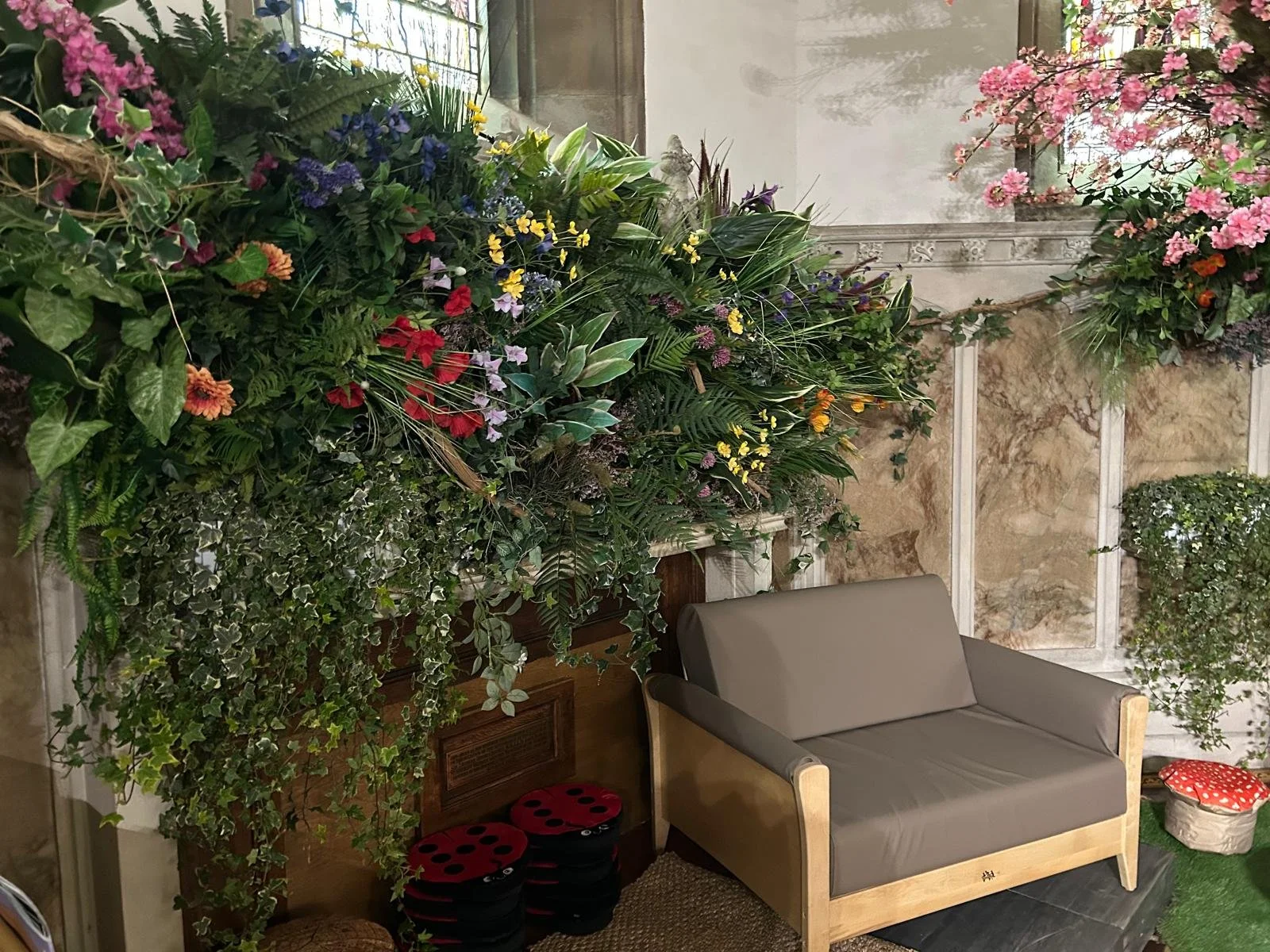
The first Professional Insights article from our six-month enquiry into belonging explores the relationship between children and the places they inhabit. Drawing on research into place-belonging, our learning from Reggio Emilia and the unusual context of St Luke’s, we consider how environments can reflect adult assumptions, how children come to give places meaning, and why familiarity or repeated use cannot simply be taken as evidence of belonging. As we move from literature into enquiry, we ask whose perspective defines what a place means — and how we can listen to children without assuming we already know the answer.

More Than a Nursery: The Thinking Behind Let’s Nurture Futures™
Discover the thinking behind Let’s Nurture Futures™ and how this research-informed framework shapes every aspect of life at KatieB Kids, from relationships and curriculum to leadership and professional development.

Excellence is a Journey: Reflections from Reggio Emilia
A reflective account of our leadership team’s study visit to Reggio Emilia, this reflection explores professional learning, the image of the child, documentation, community, and the questions that continue to shape Let’s Nurture Futures™ at KatieB Kids.

Beyond Special Days: Rethinking Celebration in the Early Years
A research-informed reflection on themed celebrations, inclusion and curriculum design, exploring why depth, continuity and children's enquiries matter more than calendar-driven activities.

Bringing the Outside in: Biophilic Design in the Early Years
Biophilic design is increasingly recognised as a powerful way to support children's wellbeing, attention and connection to the natural world. This article explores how KatieB Kids uses nature-inspired environments, Reggio Emilia principles and research-informed practice to bring the benefits of the outdoors into everyday early childhood experiences.

Rethinking the Government’s Approach to Early Years Provision
A reflection on current early years policy, parental choice and sector sustainability, exploring why strengthening families and communities may be the most effective investment we can make in children’s futures.

How Childcare Funding Reforms Threaten Quality, Access & Parental Choice
As childcare funding reforms reshape the early years landscape, providers face difficult questions about sustainability, quality and access. This article explores the potential impact of recent policy changes on children, families, educators and the wider education system, and argues for a funding model that protects both parental choice and high-quality early years provision.
