
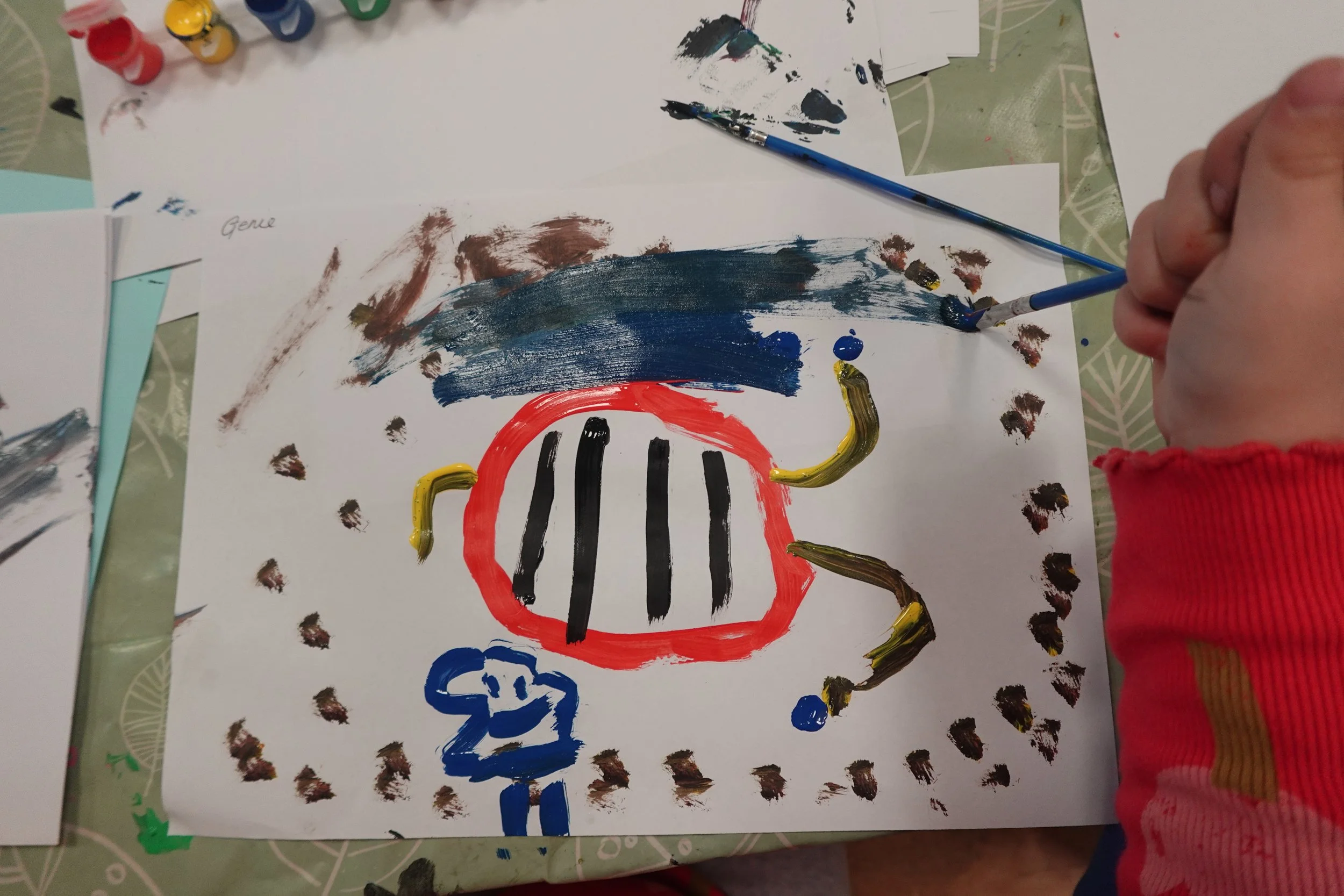
Beyond “Good Job”
Helping children build confidence through meaningful praise
Children need encouragement, reassurance and recognition. But the way we praise matters.
Research suggests that meaningful praise can help children develop confidence, resilience and a positive sense of self. When children feel seen for their effort, persistence and kindness, they begin to value the process of learning rather than simply seeking approval from others.
At KatieB Kids, we use praise thoughtfully as part of our emotion coaching approach. Rather than focusing only on outcomes, we aim to notice the qualities, behaviours and attitudes that help children grow as learners, problem-solvers and members of a community.
Helping Children Feel Seen
Children thrive when they feel noticed and understood.
General praise such as "Good job!" or "Well done!" is often given with the best intentions, but it can sometimes be so broad that children are unsure what they did well.
When we are specific, children gain a clearer understanding of their strengths and achievements.
Instead of:
"That's a great picture."
Try:
"I noticed the detail you added to the eyes."
Instead of:
"Well done."
Try:
"You kept trying even when that was difficult."
Specific praise helps children recognise what they have done and encourages them to build upon it.
Describe What You Observe
One of the most powerful ways to encourage children is simply to describe what you can see.
Descriptive praise helps children connect their actions with positive qualities and behaviours.
Instead of:
"What a good boy."
Try:
"That was very kind."
Or:
"I noticed you helped your friend when they were struggling."
By naming behaviours such as kindness, thoughtfulness, patience and perseverance, children begin to develop a stronger understanding of themselves and how their actions affect others.
These moments help build self-awareness, empathy and emotional literacy.
Notice Effort, Not Just Outcomes
Children learn through experimentation, repetition and practice.
When we focus only on the finished result, we can unintentionally teach children that success matters more than learning.
Instead, try noticing the effort behind the achievement.
Rather than:
"I knew you would win."
Try:
"I noticed how hard you kept trying, even when it became difficult."
Or:
"You didn't give up when it felt tricky."
This helps children understand that progress comes through effort and persistence.
Over time, children become more willing to embrace challenge, take appropriate risks and learn from mistakes.
Encourage a Growth Mindset
Learning is not about getting everything right the first time.
Children benefit from understanding that skills develop through practice and experience.
When we recognise determination, curiosity and problem-solving, we help children build confidence in their ability to learn.
Instead of:
"You're so clever."
Try:
"That was really good thinking."
Or:
"You found another way to solve the problem."
This subtle shift helps children understand that abilities are not fixed. They can grow, improve and develop through effort and experience.
Keep Praise Realistic
Children do not need exaggerated praise to feel valued.
In fact, overly dramatic praise can sometimes create pressure and make children worry about maintaining unrealistic expectations.
Authentic encouragement is often the most powerful.
Instead of:
"That's the best picture ever!"
Try:
"I can see how carefully you worked on that."
Or:
"You seem really proud of what you've created."
This helps children develop confidence that is grounded in genuine achievement rather than external approval.
Building Confidence from Within
Praise is most powerful when it helps children understand themselves.
When we notice effort, kindness, curiosity, perseverance and thoughtful choices, we help children build confidence that comes from within rather than relying solely on external praise.
Over time, these small moments help children develop a positive sense of self, a willingness to embrace challenge and a lifelong love of learning.
Because confidence doesn't grow from being told you are amazing.
It grows from feeling seen, understood and valued.