
Excellence Is a Journey. Reflections from Reggio Emilia
At KatieB Kids, we believe that exceptional early years education begins with exceptional professional learning. That belief shapes everything we do, underpinning our commitment to reflection, research-informed practice and ongoing professional development. We invest in opportunities that challenge, inspire and deepen our understanding of children and learning, ensuring that our practice continues to evolve for the benefit of every child and family we serve.
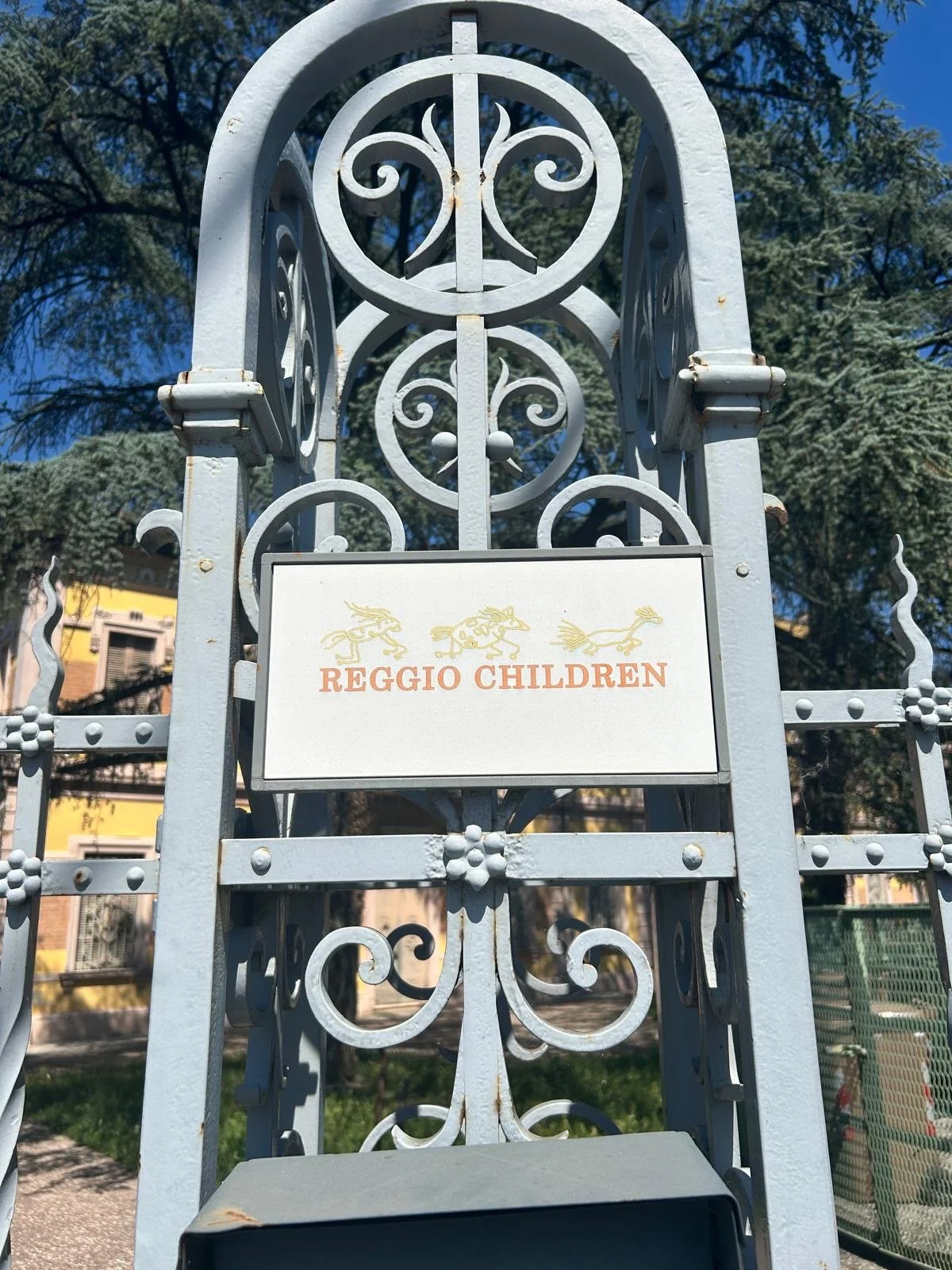
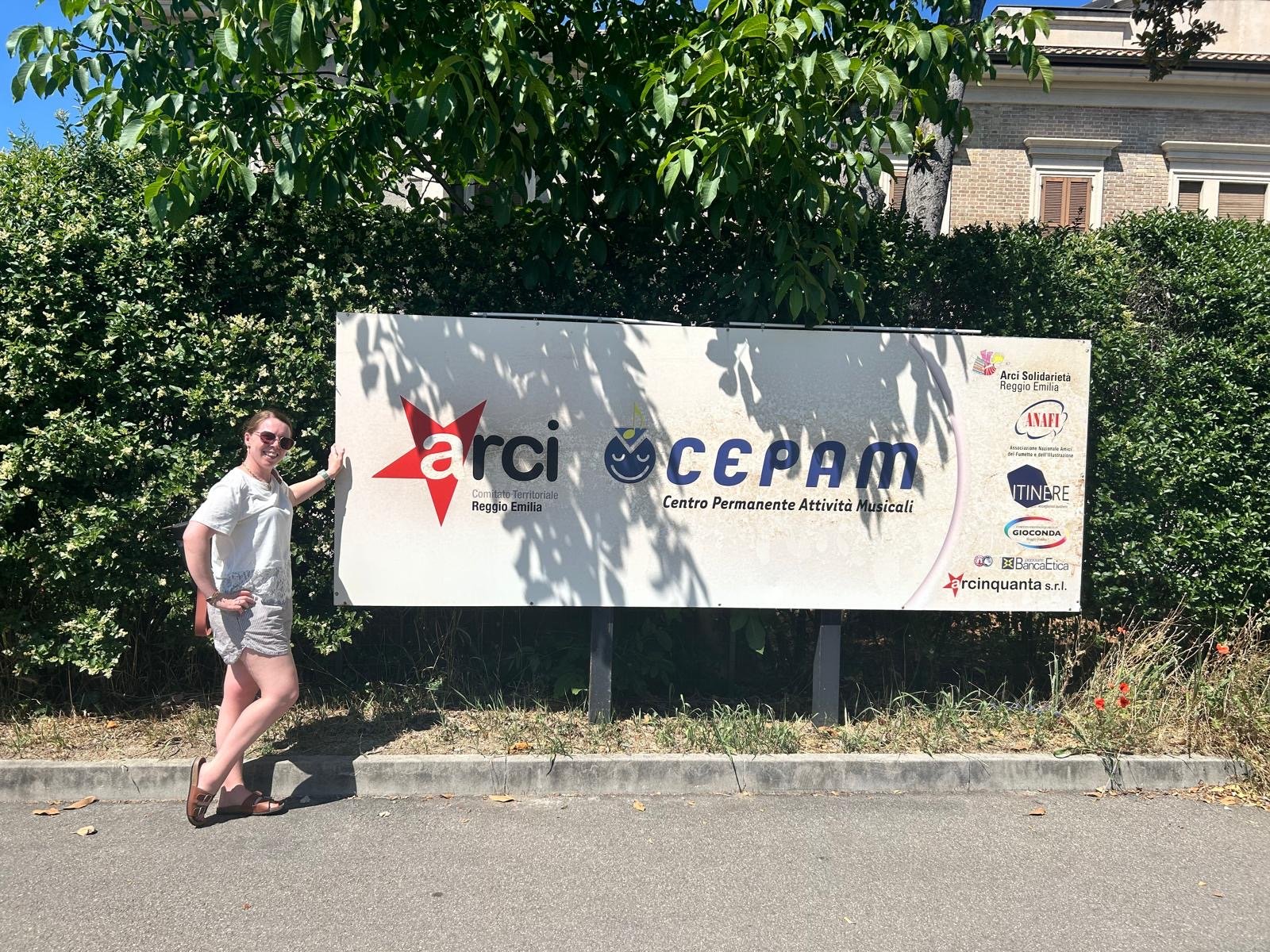
This spring, two members of our leadership team, Hayley Grayston and Tina Foster, travelled to Reggio Emilia, Italy, to participate in an internationally recognised programme of pedagogical study. Known throughout the world for its approach to childhood, learning and community, Reggio Emilia has inspired educators across the globe for decades. However, what we quickly discovered is that a visit to Reggio Emilia is not a training course, a study tour or an opportunity to collect new ideas.
It is something far more powerful.
It is an invitation to think differently.
The experience was inspiring, challenging and thought-provoking. It immersed us in deep professional dialogue alongside international delegates and encouraged us to reflect critically on our image of the child, the purpose of education and the role we play as educators. Most importantly, it reaffirmed many of the values that already sit at the heart of our Let's Nurture Futures™ Framework while helping us identify ways to deepen, refine and strengthen our practice even further.
What follows is not simply a reflection on a visit. It is a reflection on professional learning, the pursuit of excellence, and our continuing commitment to providing children and families with the very best early years education possible.
“We did not return with all the answers.
We returned with better questions.”

“The more we learnt, the more we realised there was still to learn.”
More Than a Study Visit
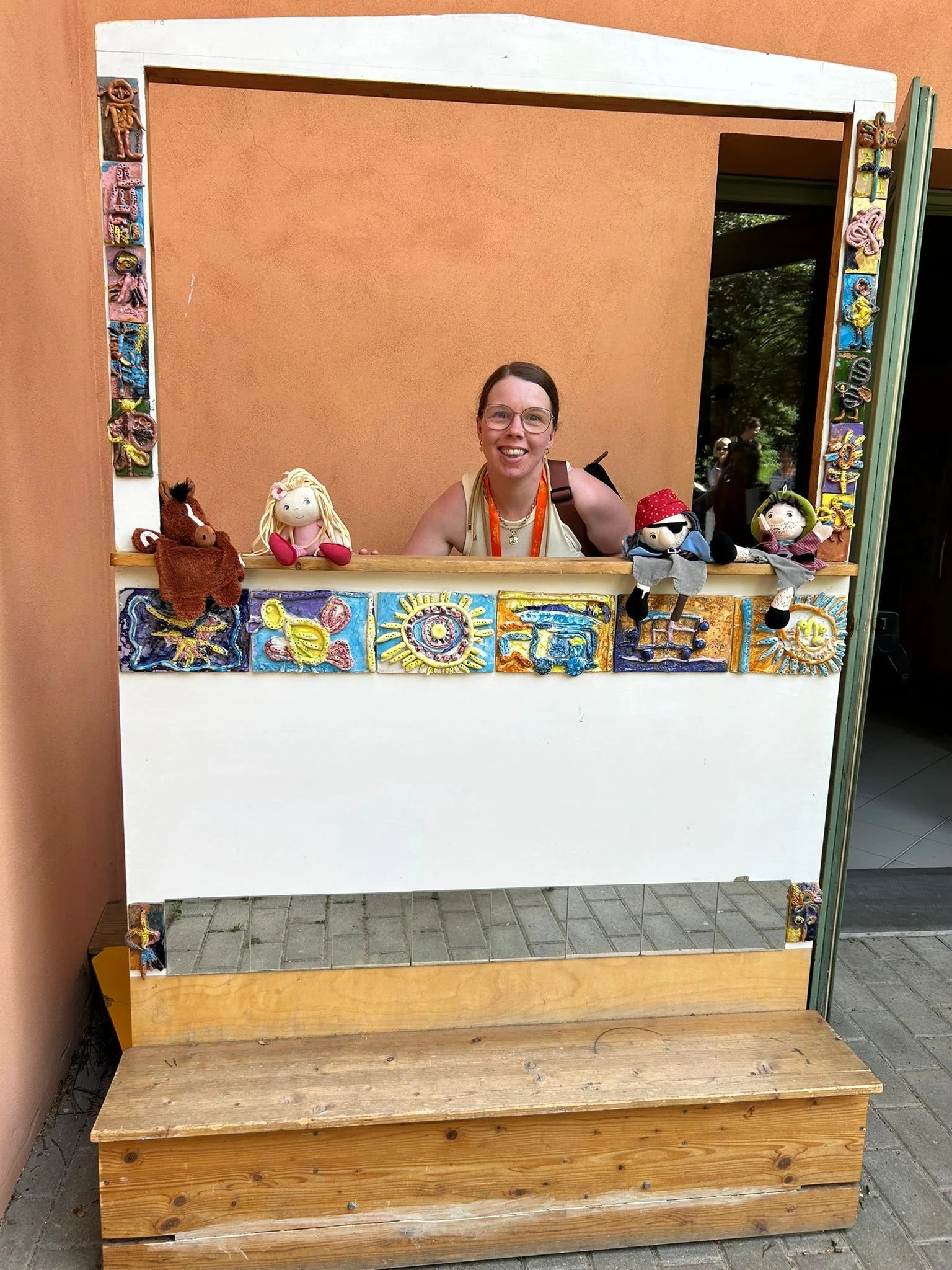
From the very first day, it became clear that Reggio Emilia was not the experience many educators imagine it to be. Our days were spent attending presentations led by pedagogistas, visiting infant-toddler centres and preschools, analysing documentation, exploring educational environments and engaging in professional dialogue with educators from around the world. Discussions centred on childhood, democracy, citizenship, relationships, research and the role of education within a community.
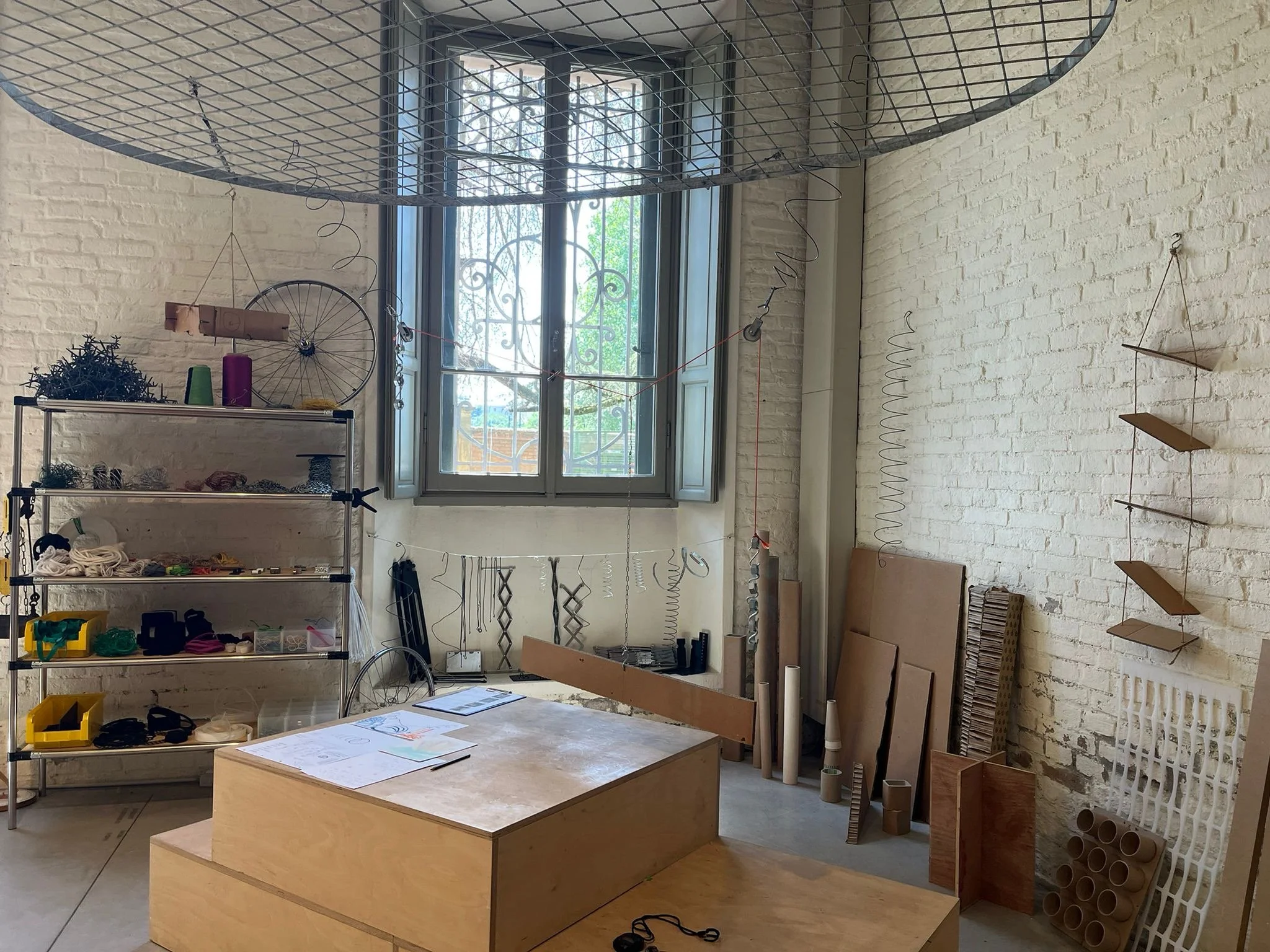
One presentation, titled Research in Everyday Life, explored how learning is not viewed as something separate from daily experiences but as a continuous process of observation, listening, reflection and collaboration. Another powerful theme was the idea that organisation itself is a value; that the way we design spaces, structure experiences and communicate with children reflects our beliefs about childhood and learning.
Both Hayley and Tina spoke about the depth of educational thinking required to engage fully with the programme. Rather than providing a formula to follow, the experience encouraged us to examine our own practice more critically and consider the decisions we make every day as educators.
As the week progressed, we became increasingly aware that the experience was not designed to provide answers. Instead, it invited us into an ongoing conversation about childhood and education; one that has been evolving for decades and continues to challenge educators around the world.
This was not educational tourism. It was professional learning at the highest level.
Learning to See Differently
One of the most striking realisations throughout the week was that the value of the experience depends greatly on the knowledge, experience and professional curiosity you bring with you. Many of the concepts being discussed were not entirely new to us. We were already familiar with ideas such as observation, documentation, relationships, child-led learning and reflective practice. What challenged us was the depth with which these ideas were explored and the way they were connected to wider questions about childhood, democracy, community and citizenship.
As the week progressed, we found ourselves returning to previous learning, connecting ideas and viewing familiar concepts through a new lens. Discussions that initially appeared straightforward revealed increasing layers of complexity the more we explored them. Conversations with educators from different countries often led us to reconsider our own assumptions and think more deeply about why we do what we do. This reinforced something we have always believed at KatieB Kids: professional development is not about collecting certificates. It is about developing the ability to think critically, reflect deeply and continually refine practice.
One of the most significant insights we gained was that Reggio Emilia cannot be fully understood through a single visit. Like learning itself, understanding develops through revisiting ideas, engaging in professional conversation and viewing familiar concepts from new perspectives. A future visit would not simply repeat the first; it would reveal new layers of meaning because we, as educators, would have grown too. In many ways, the experience mirrored the very principles we observed throughout the week. Just as children develop understanding by revisiting experiences over time, professional knowledge deepens through repeated encounters, reflection and dialogue.
The experience reminded us that professional growth is not about reaching a destination. It is about remaining curious, continuing to question and being willing to see familiar ideas through a new lens.
“The city itself felt like an educator.”
A City That Values Childhood
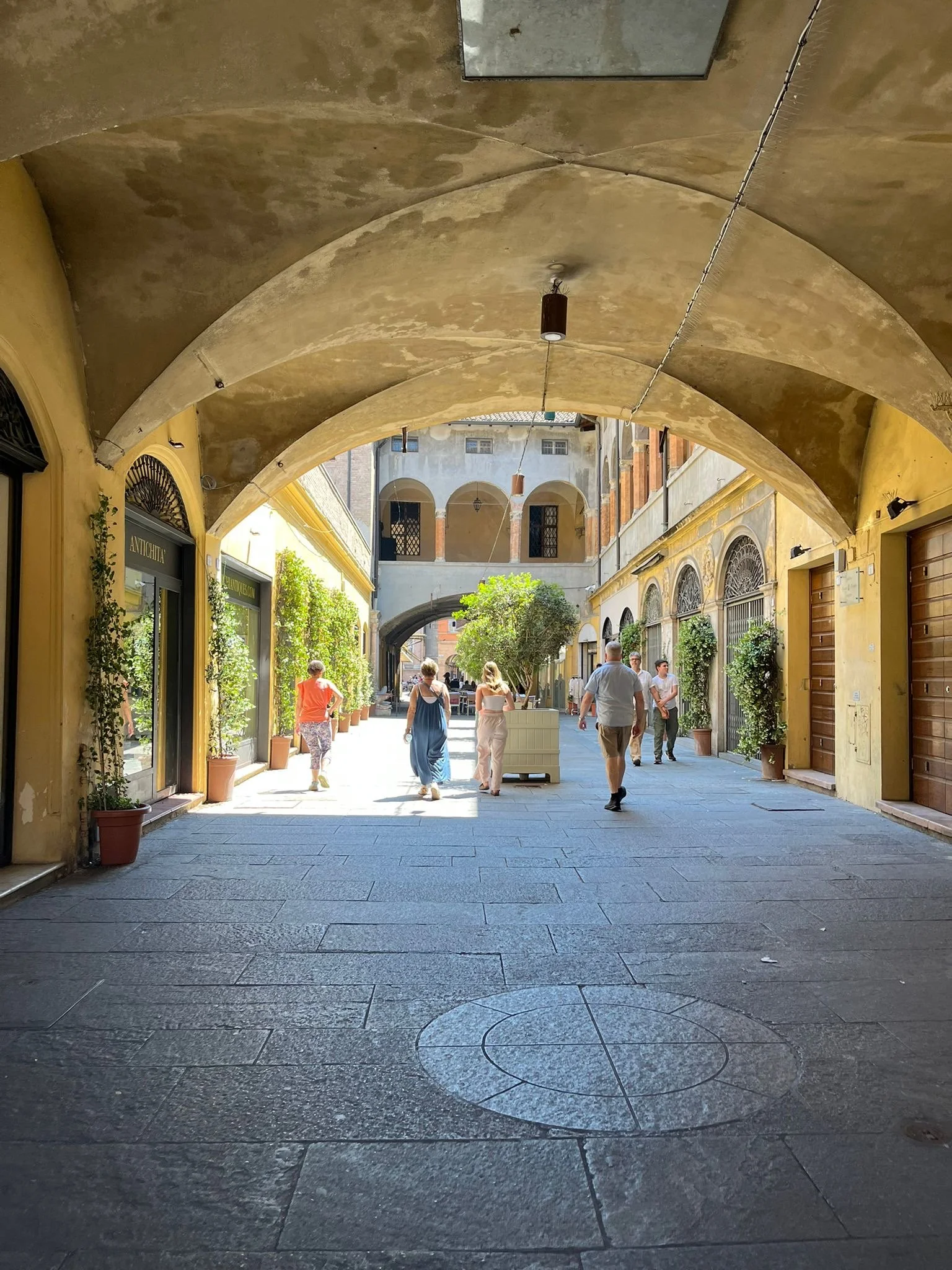
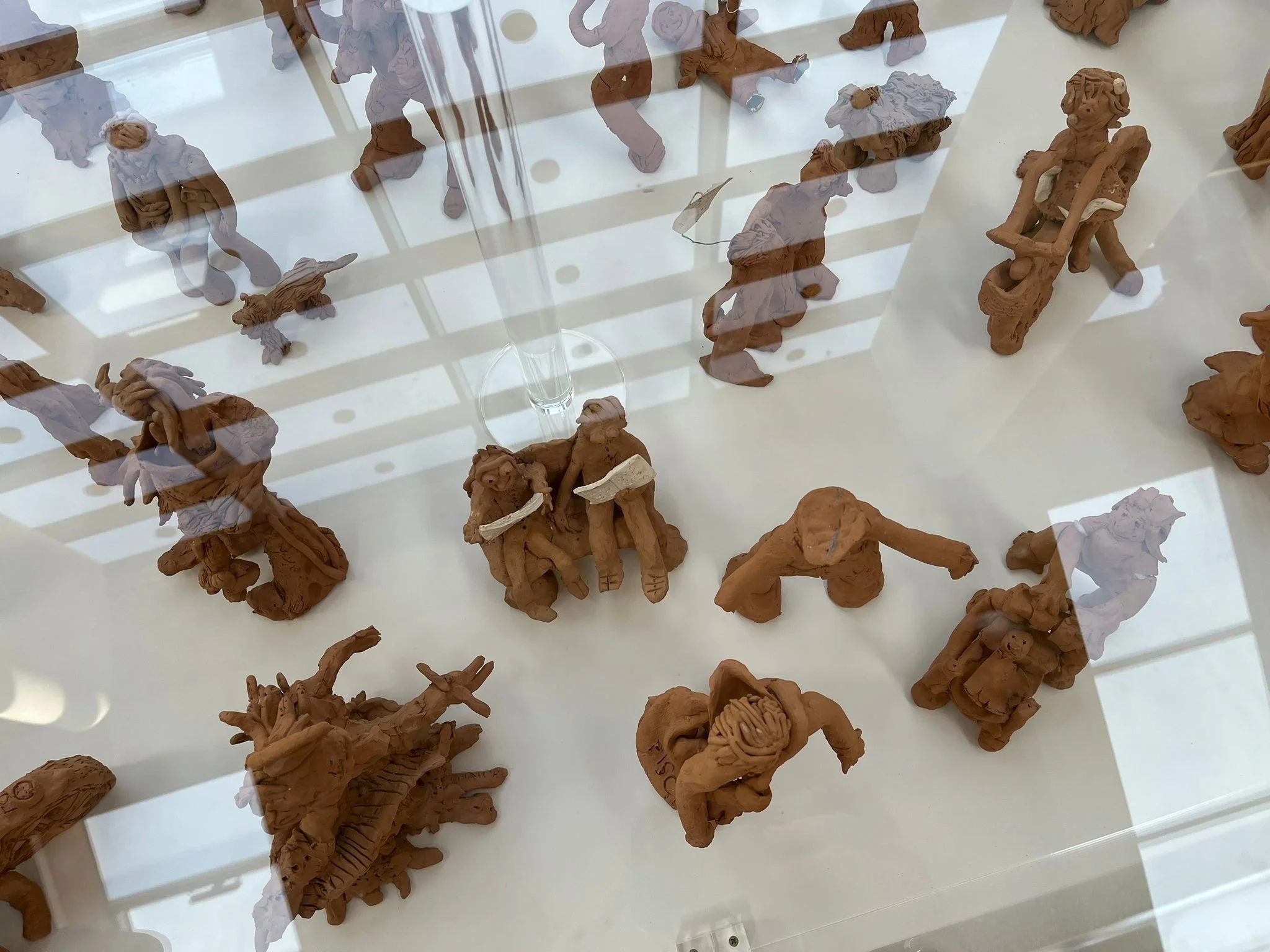
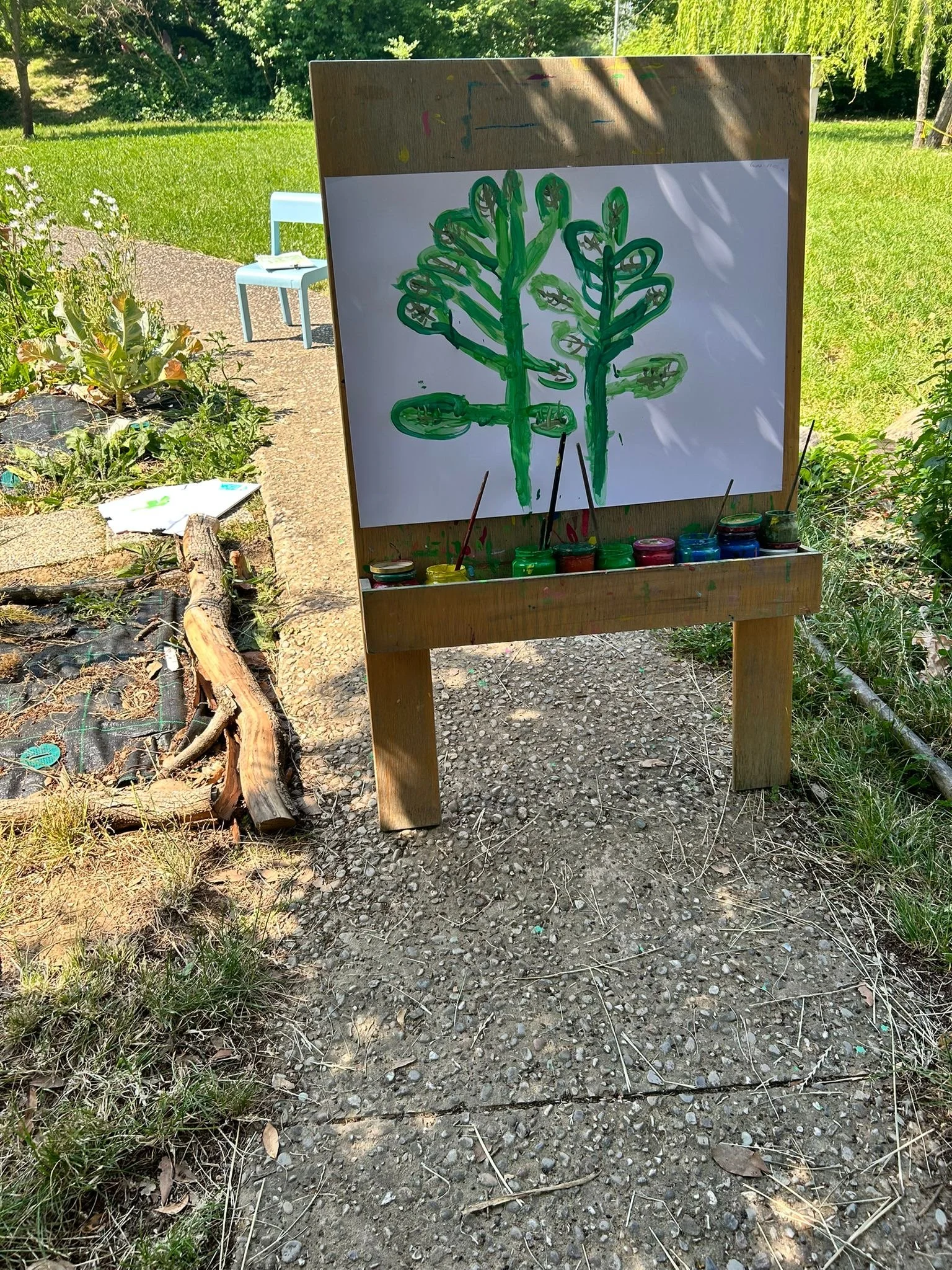
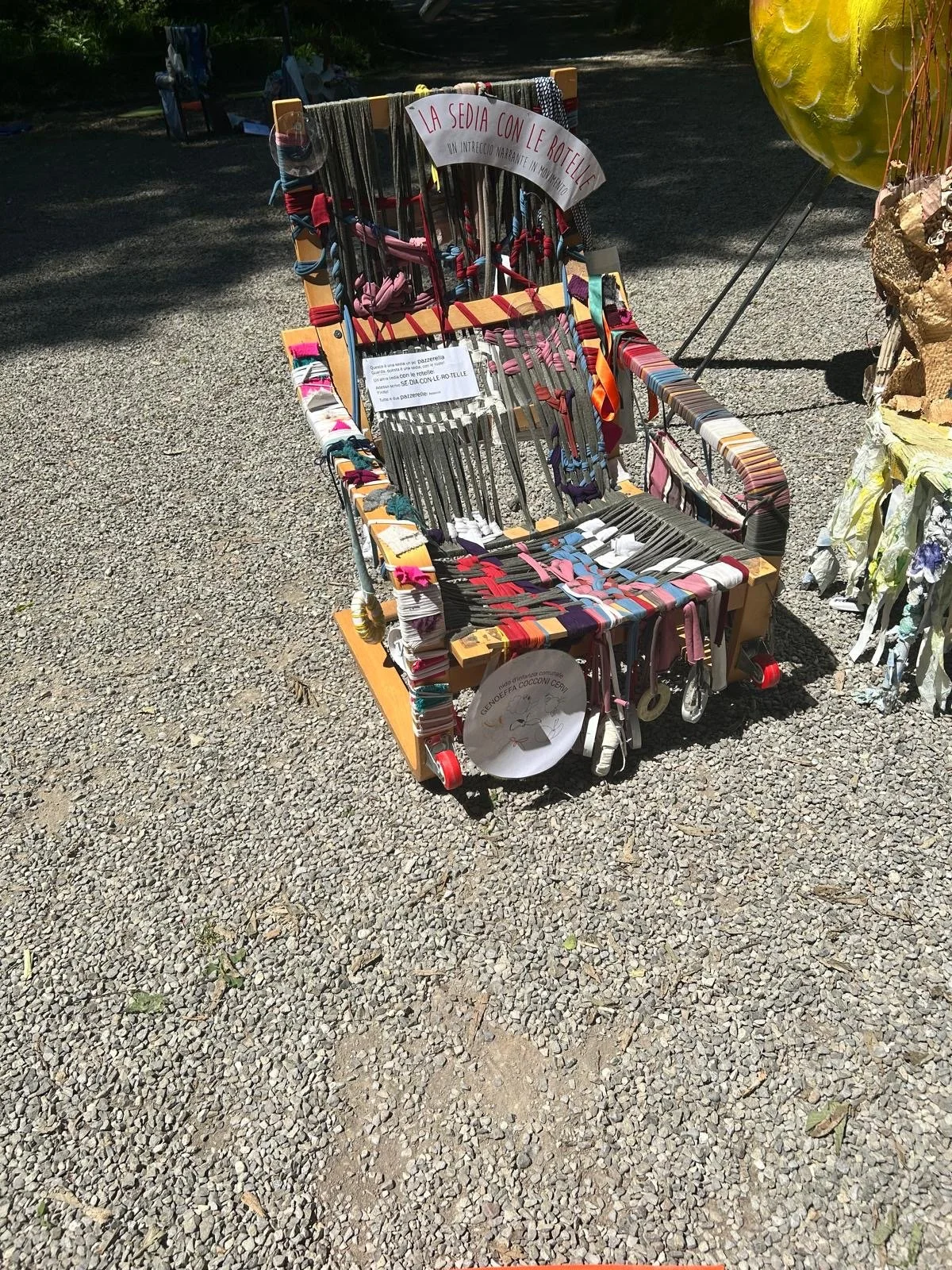
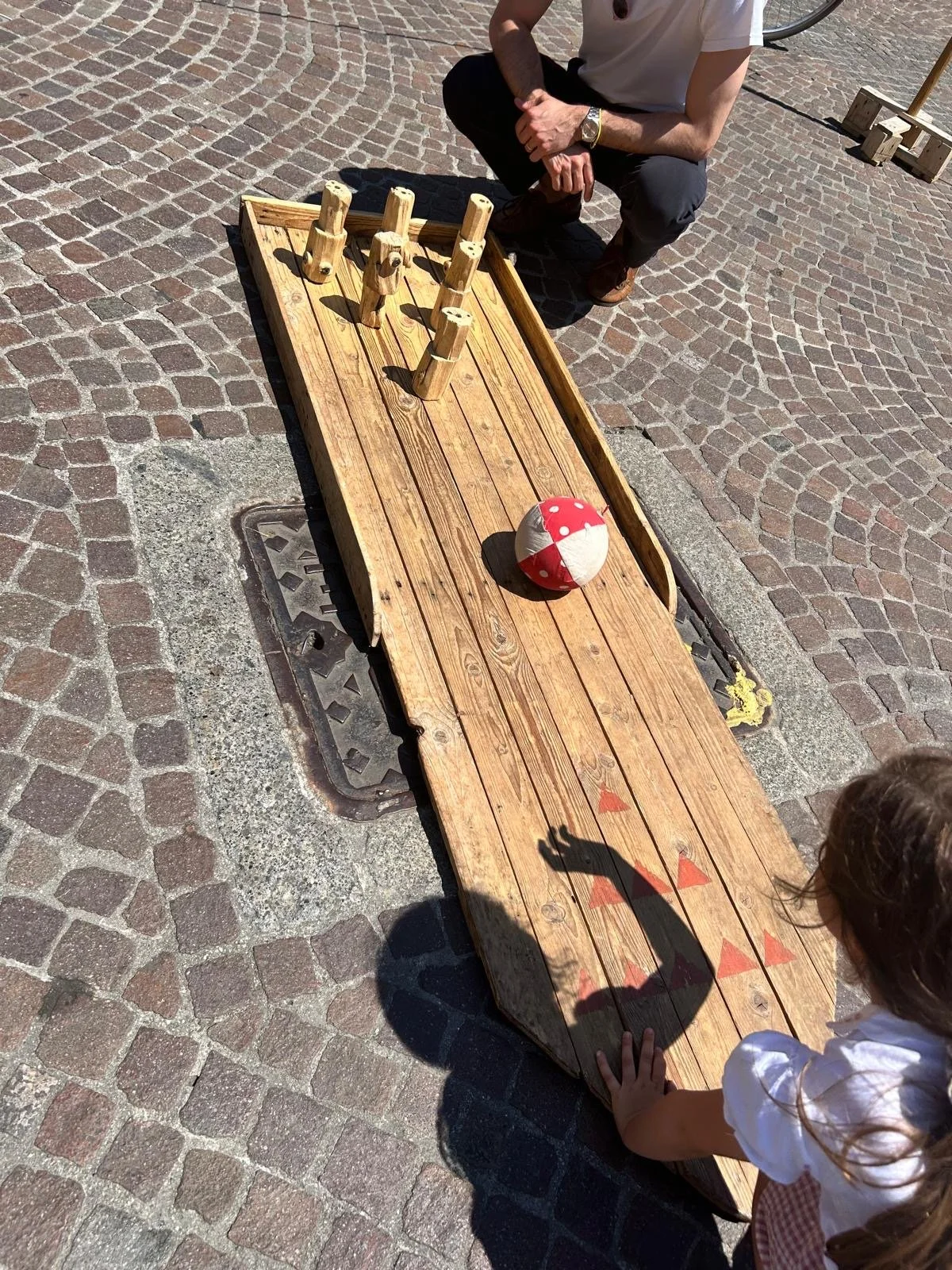
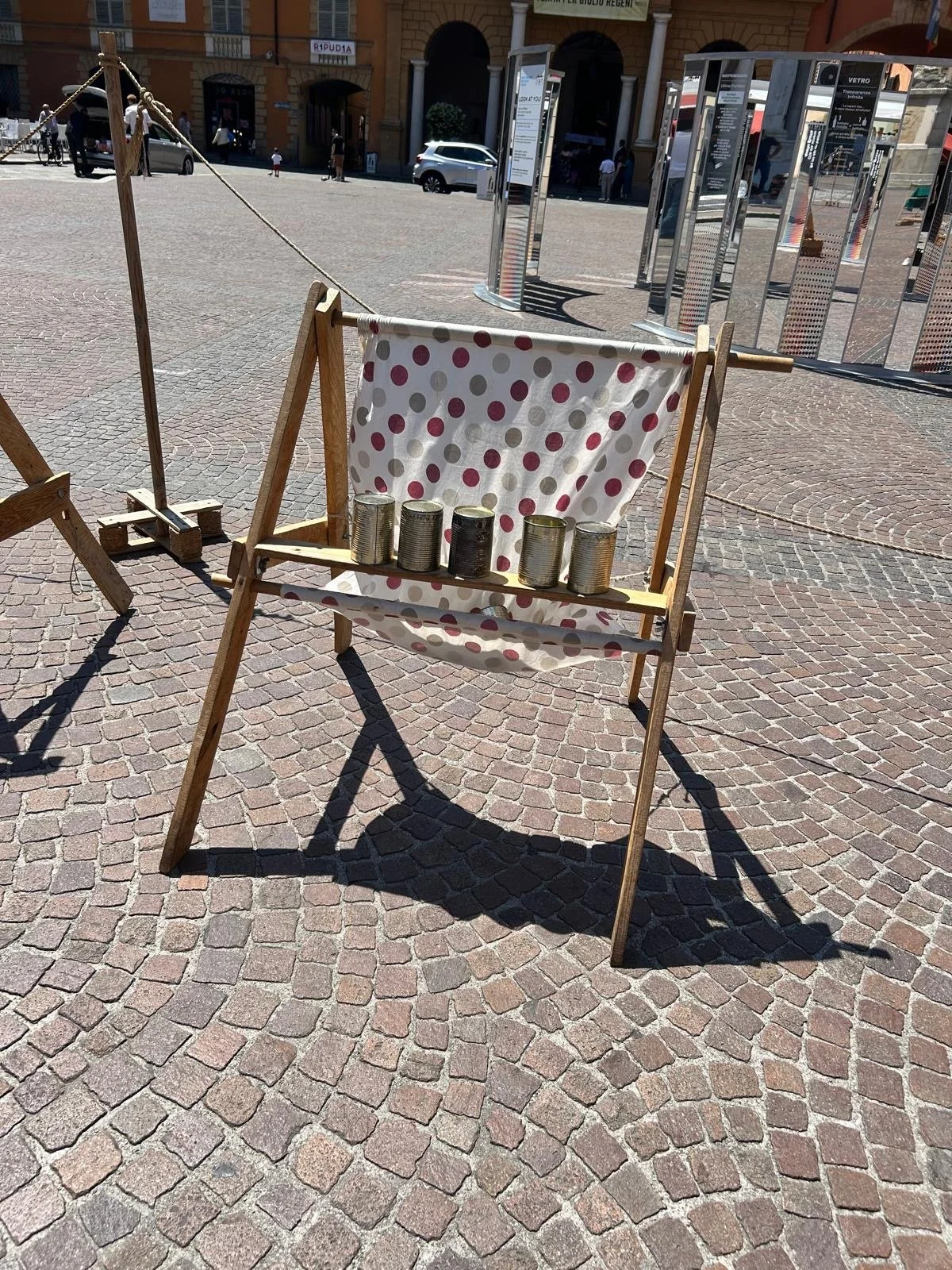
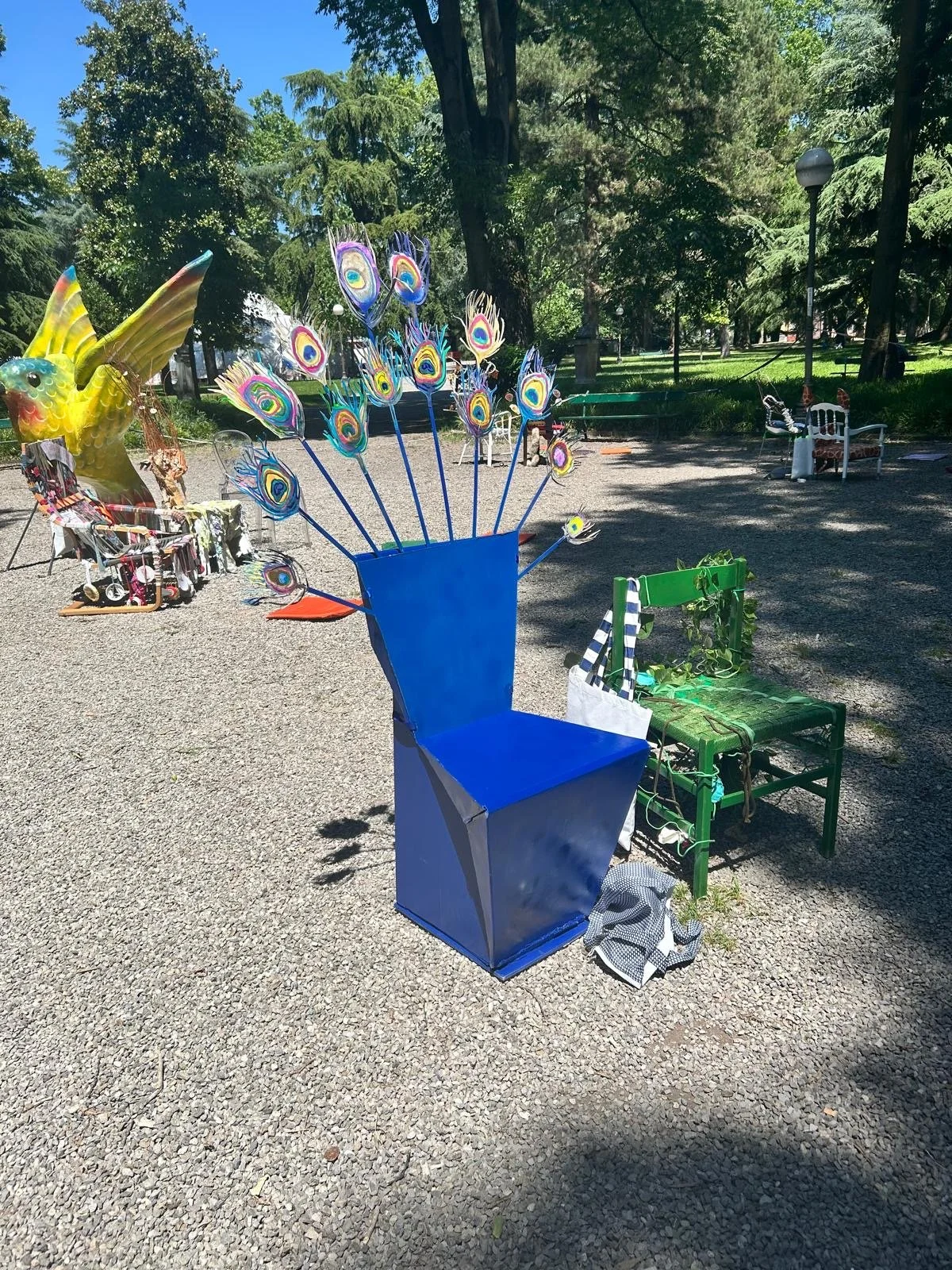
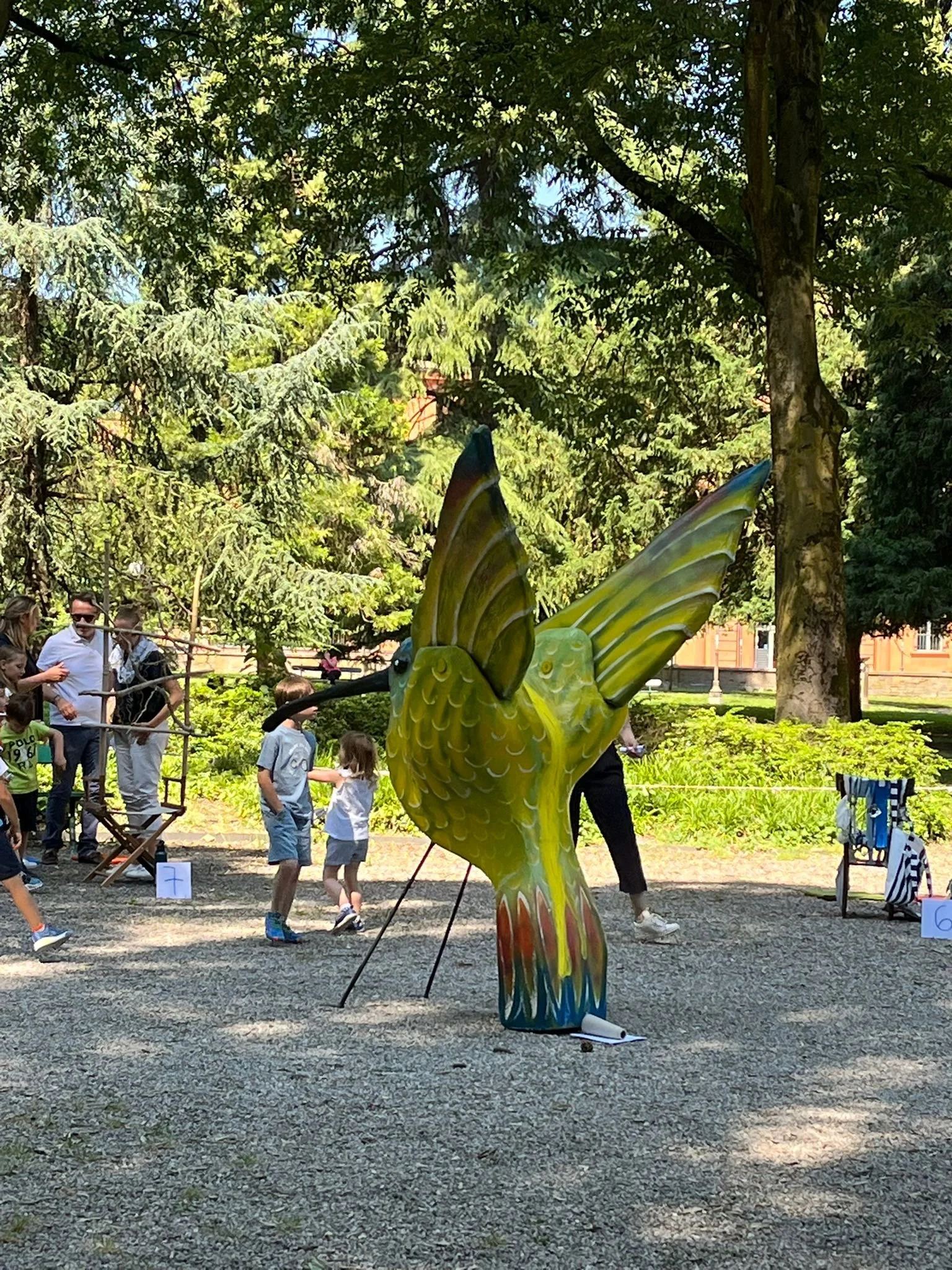
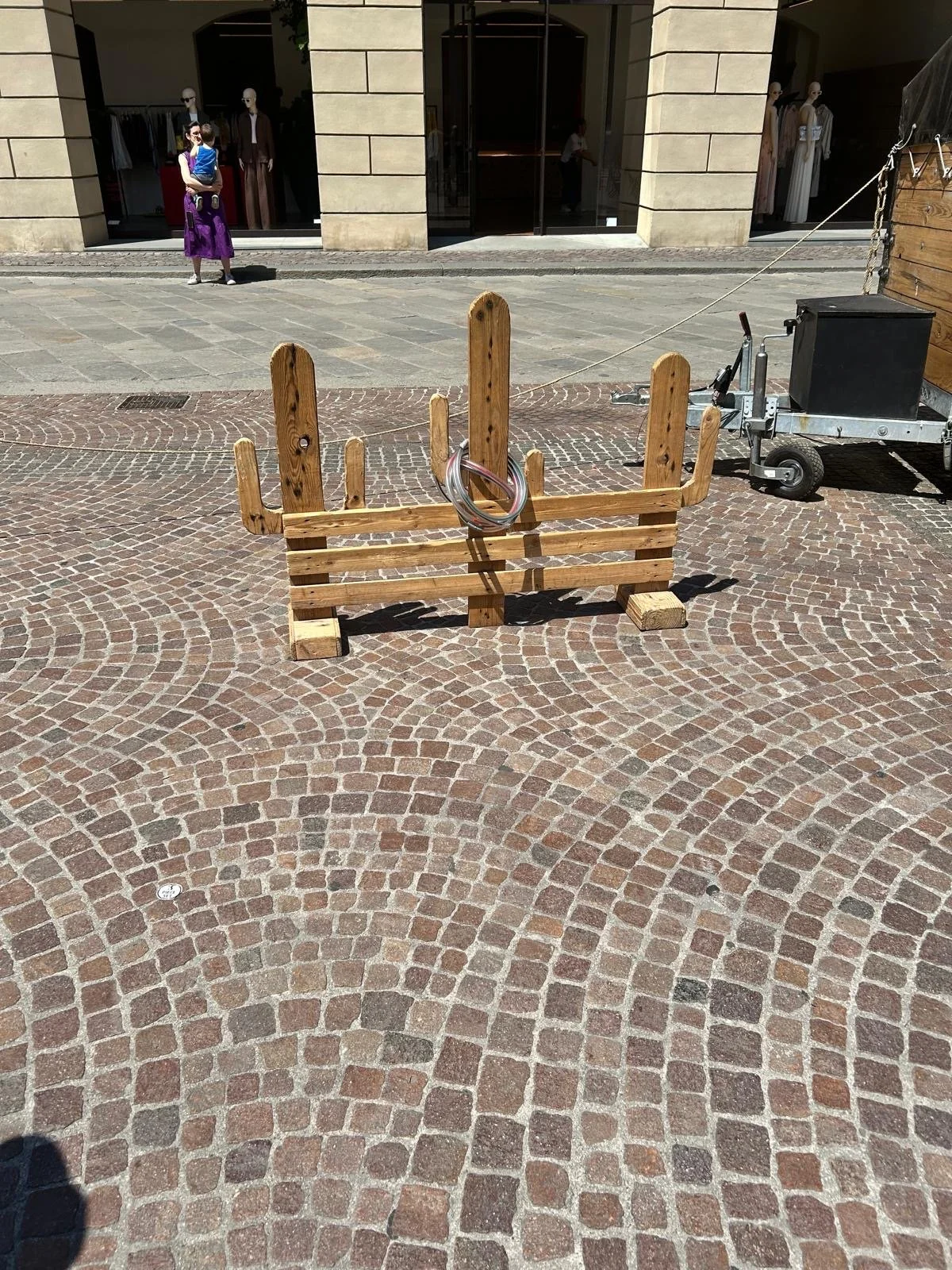
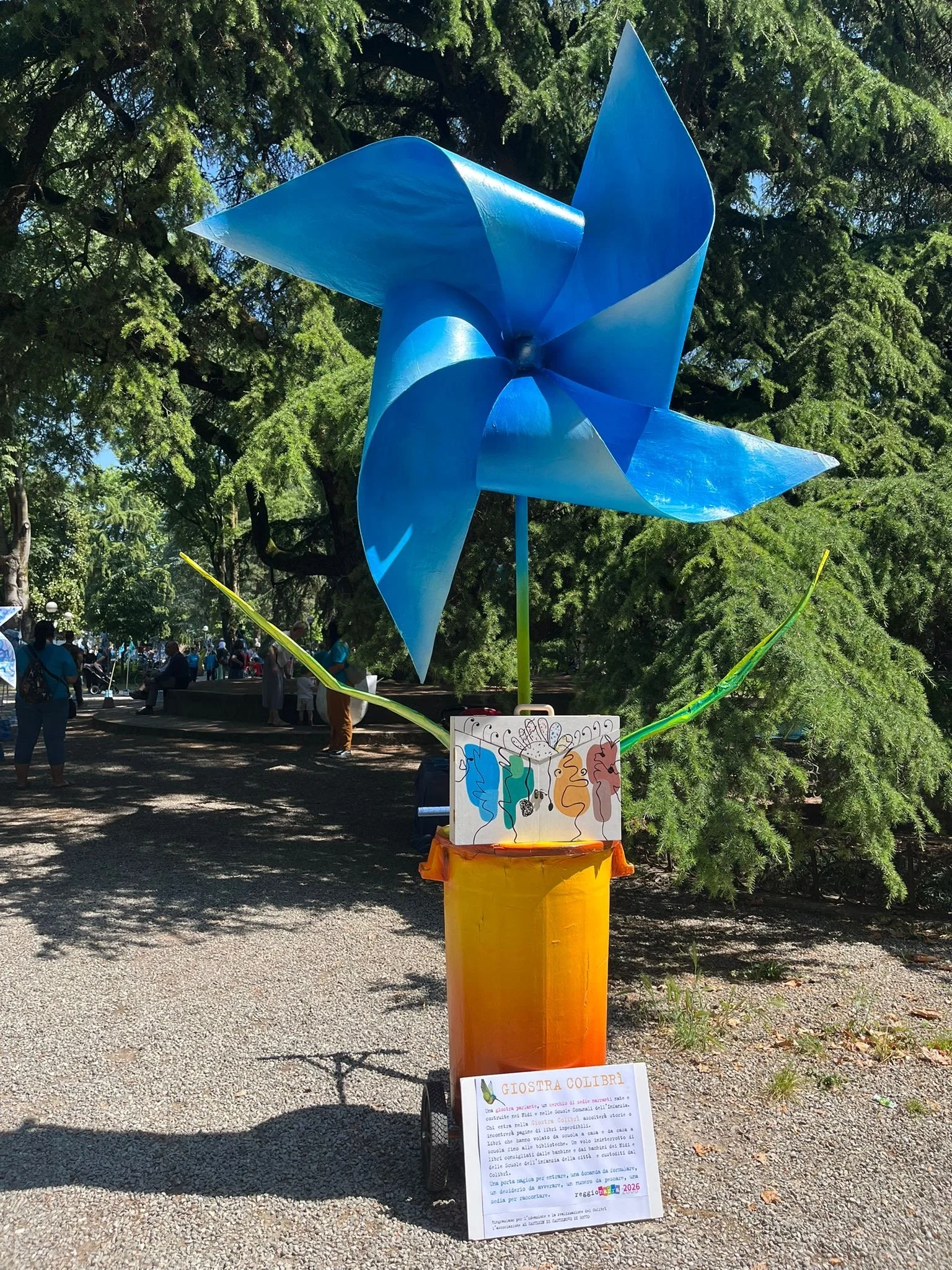
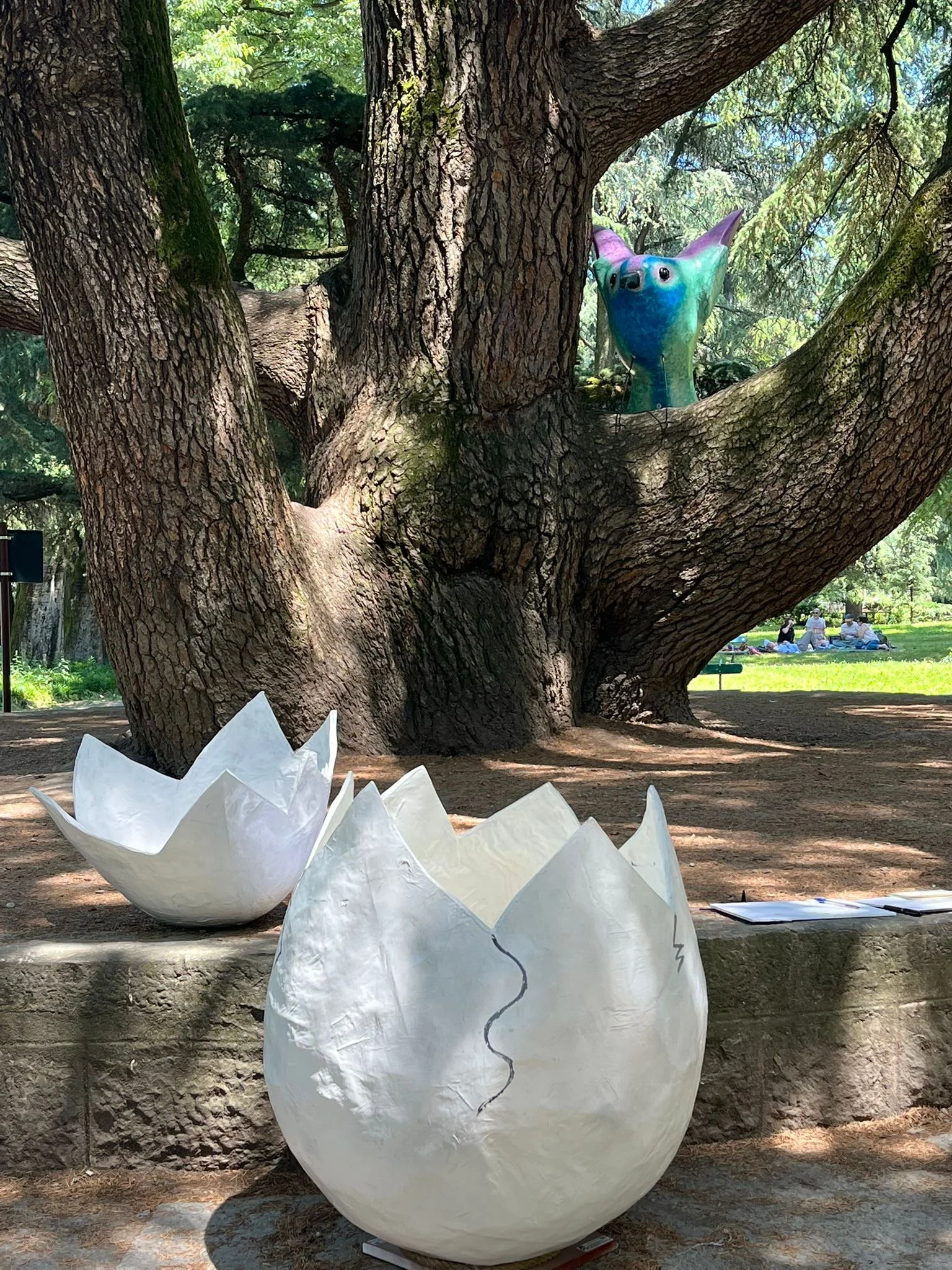
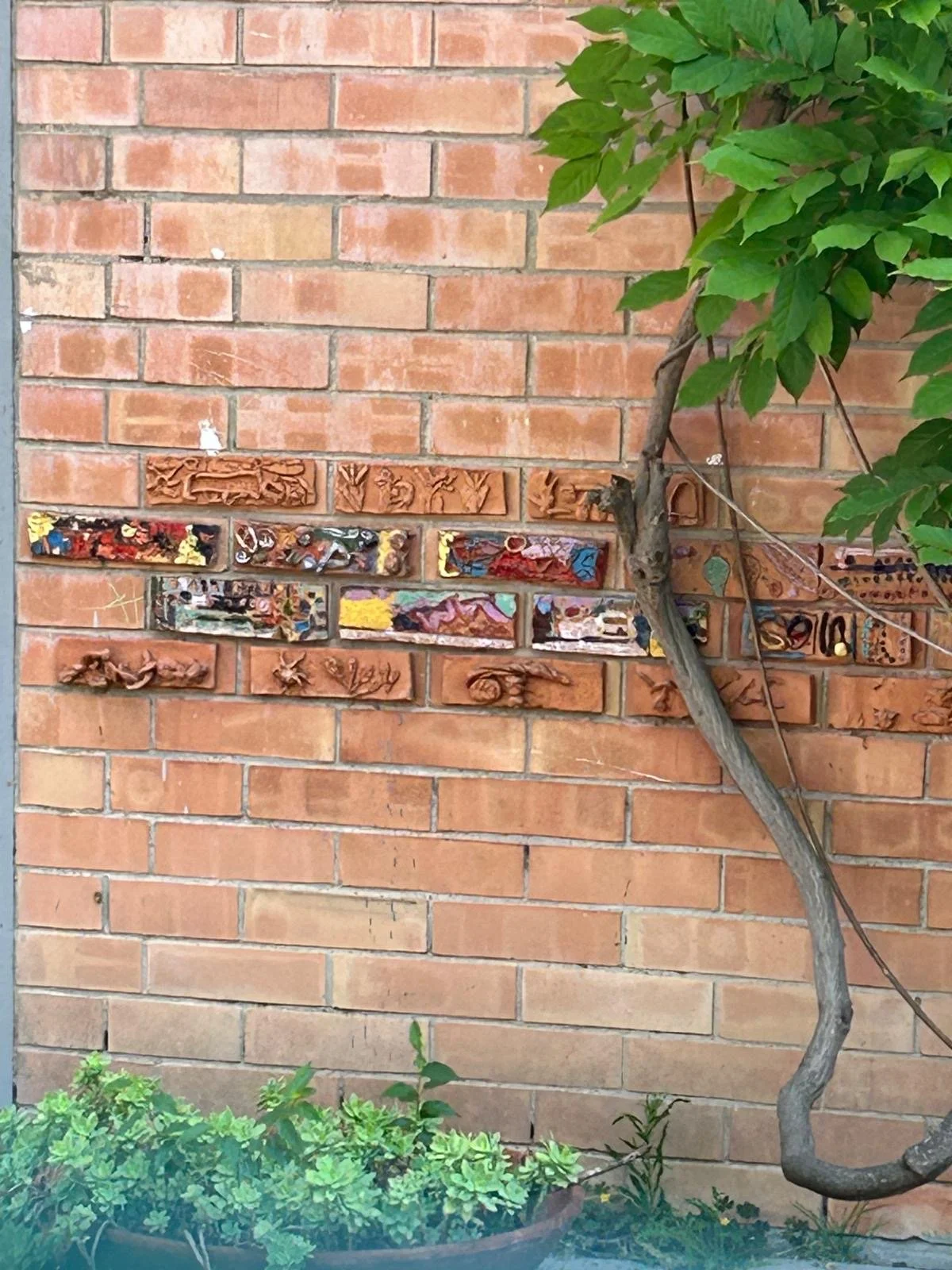
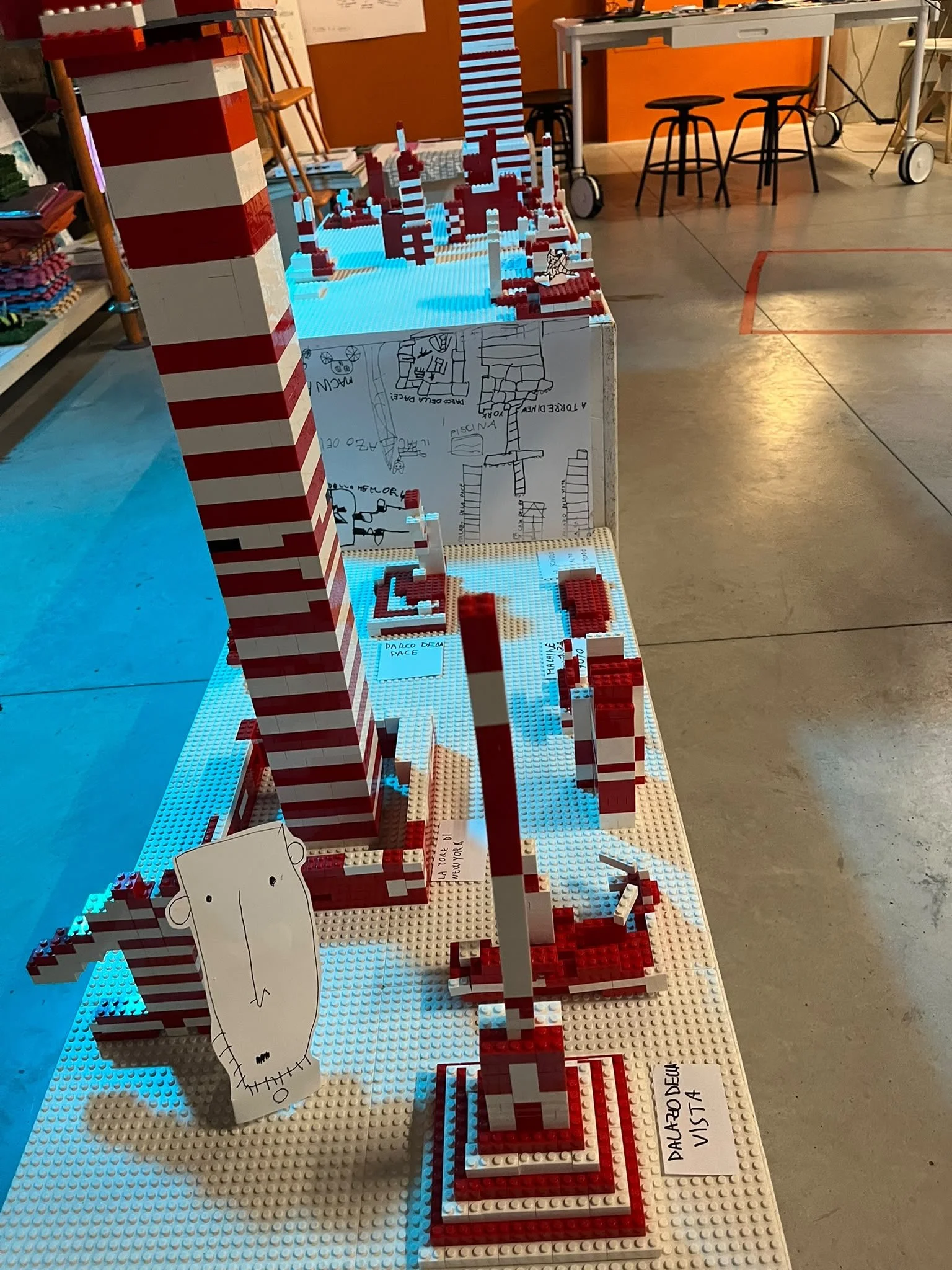
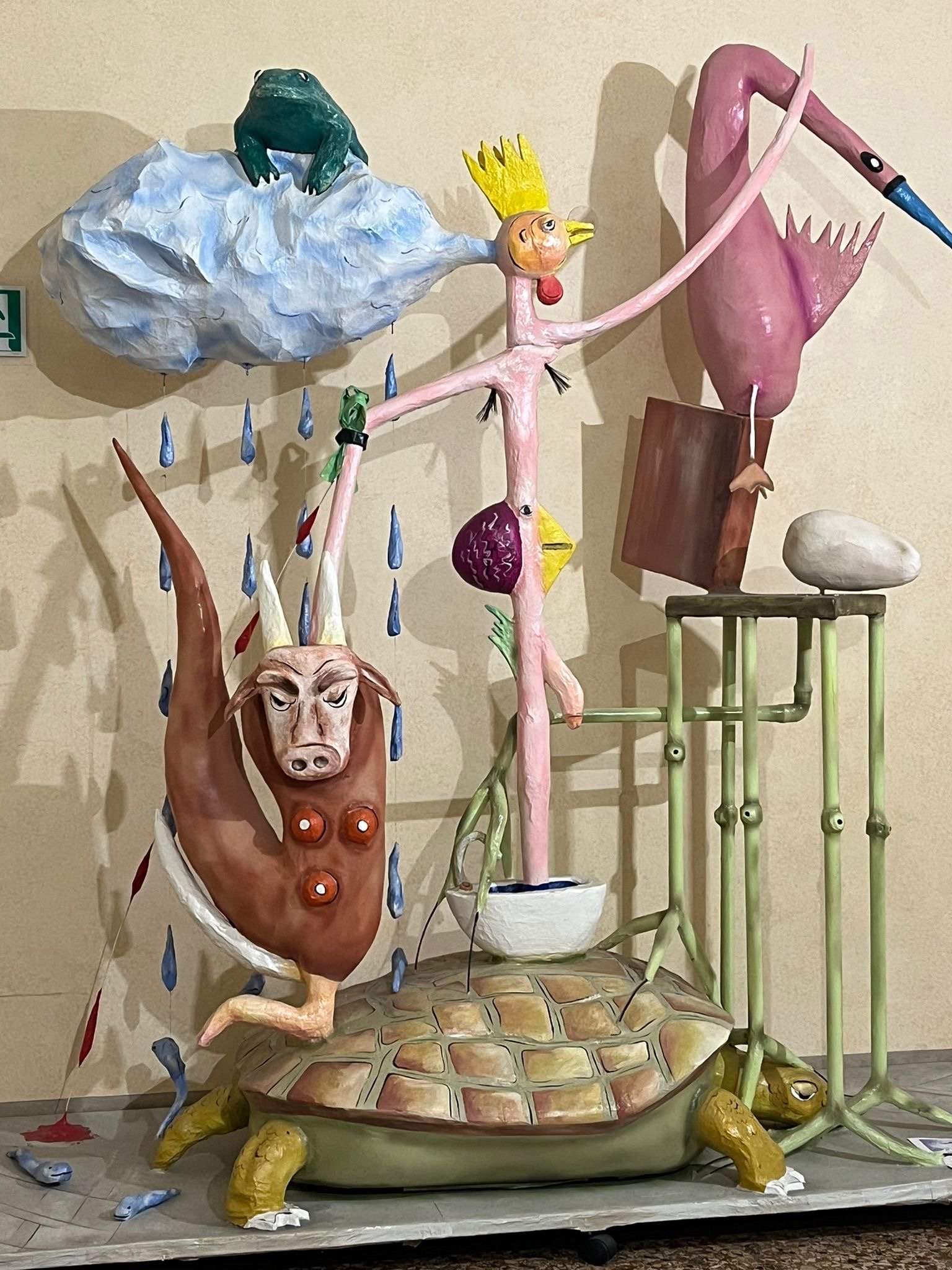
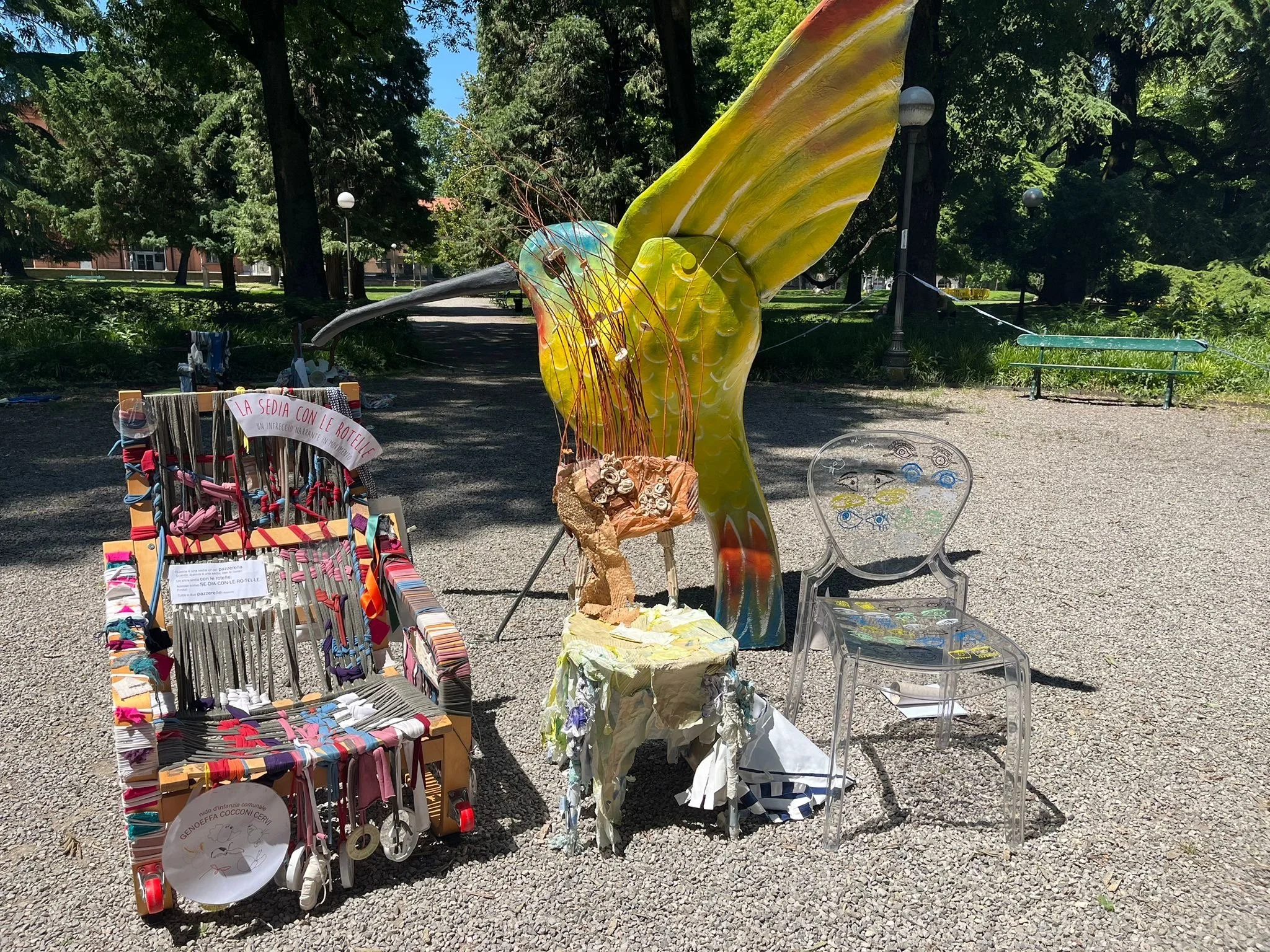
Walking through the city, we were struck by the visibility of childhood. Children were not hidden away from community life; their ideas, artwork, projects and contributions could be seen throughout public spaces, exhibitions and community settings. Everywhere we went, there was a sense that childhood was valued, respected and celebrated.
Experiencing Reggio Emilia challenged us to think beyond the walls of schools and nurseries. It encouraged us to consider how a community can actively communicate its values through its environment, relationships and the opportunities it creates for children.
As Hayley reflected during the visit:
"The city must have a vocation for children."
In Reggio Emilia, children are viewed as capable citizens with ideas, opinions and contributions that matter. This image of the child is not confined to educational settings. It is reflected throughout the wider community in the way children are spoken about, listened to and included. This prompted important questions for us as educators:
How do we communicate our image of the child through our environments?
How do we demonstrate that children's ideas matter?
How do we create opportunities for children to influence their own learning?
How do we ensure that children feel seen, heard and valued?
The experience reinforced our belief that early years education is not simply about preparing children for school. It is about valuing childhood in the present.
These reflections strongly align with our own Let's Nurture Futures™ Framework and reaffirmed many of the values that already sit at the heart of our practice. Perhaps most importantly, we were reminded that values are not simply written in policies or displayed on walls. They reveal themselves through everyday actions, relationships and decisions. That was one of the most powerful lessons we brought home.
“Learning is not something that happens to children; it is something children actively construct.”
Children as Researchers
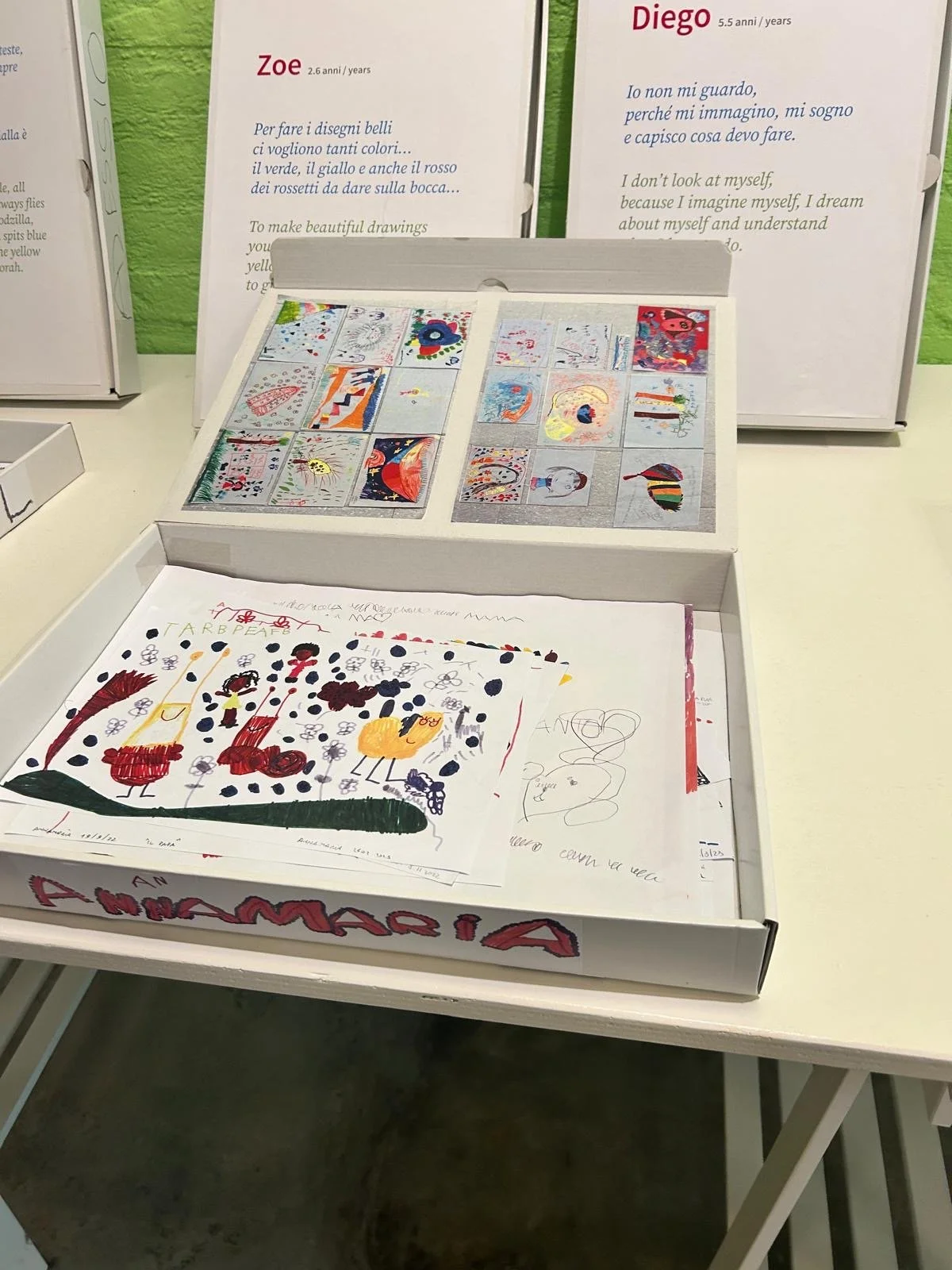
As we visited infant-toddler centres and preschools throughout the week, we repeatedly encountered documentation that made children's thinking visible. Walls were not filled with finished products or displays created for presentation. Instead, they revealed journeys of enquiry, showing children's questions, theories, conversations and evolving ideas over time.
Throughout the visit, we saw educators acting as researchers alongside children. Rather than rushing to provide answers, they observed, listened, documented and reflected. They were curious. They were willing to sit with uncertainty.
Both Hayley and Tina commented on how challenging this idea can be in practice. As educators, there is often a natural desire to solve problems, answer questions and move learning forward quickly. Yet time and again we encountered examples of adults slowing down, listening carefully and allowing children's ideas to lead the direction of the work.
In Reggio Emilia, projects are often described as research. Rather than being predetermined topics, they emerge from children's interests, questions and observations. Educators carefully document these moments, using them to understand children's thinking and consider how learning might be deepened over time.
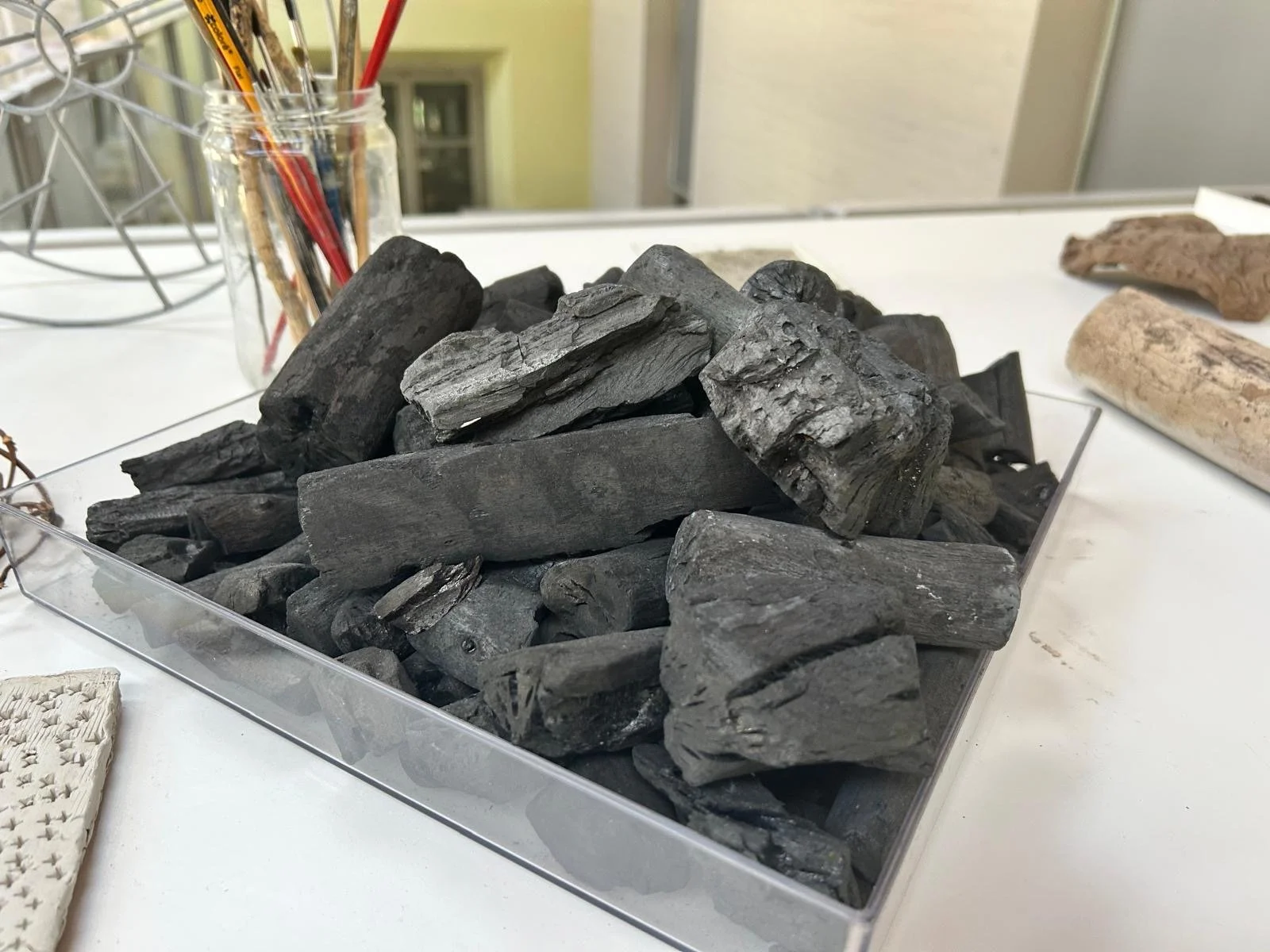
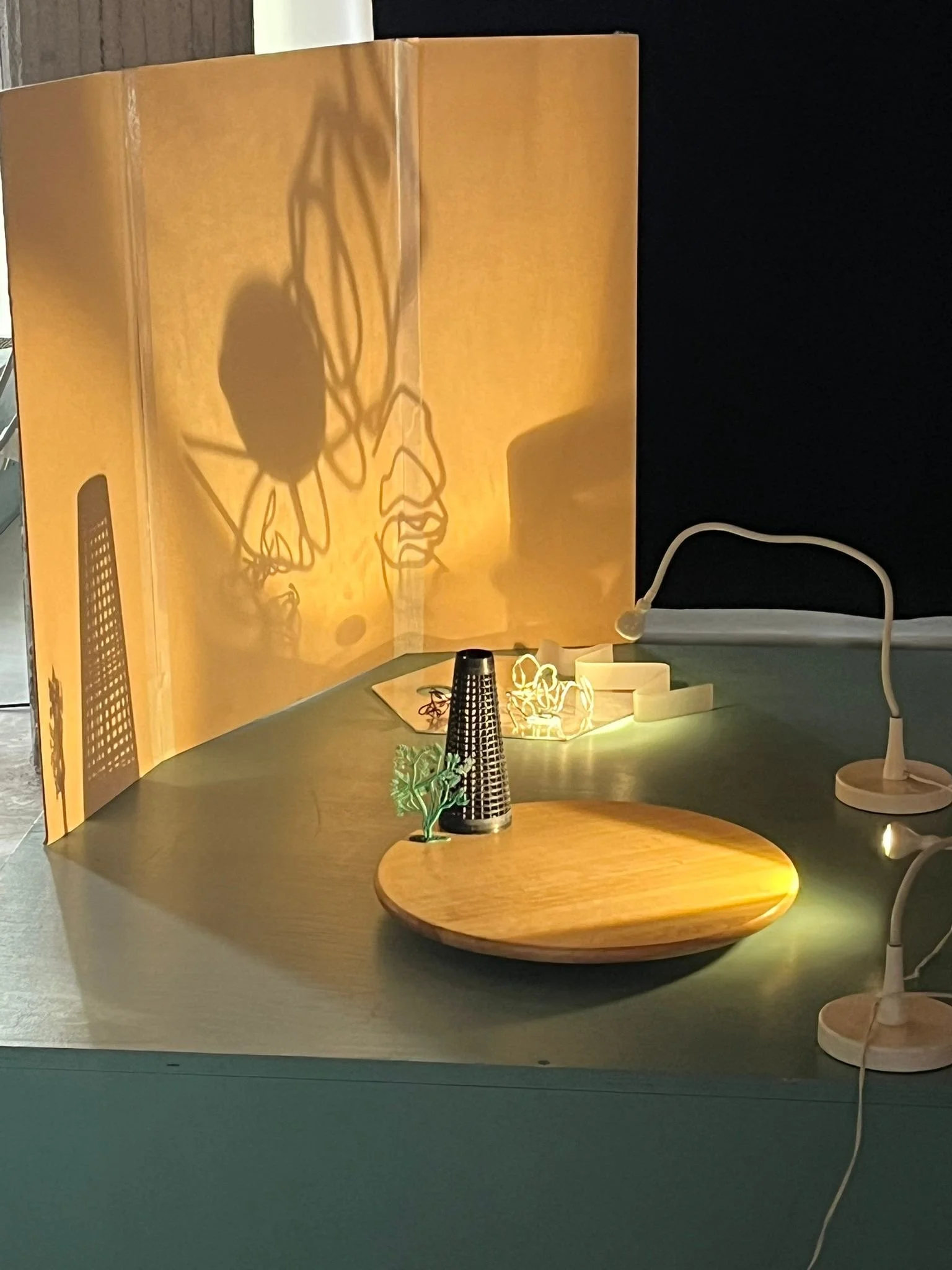
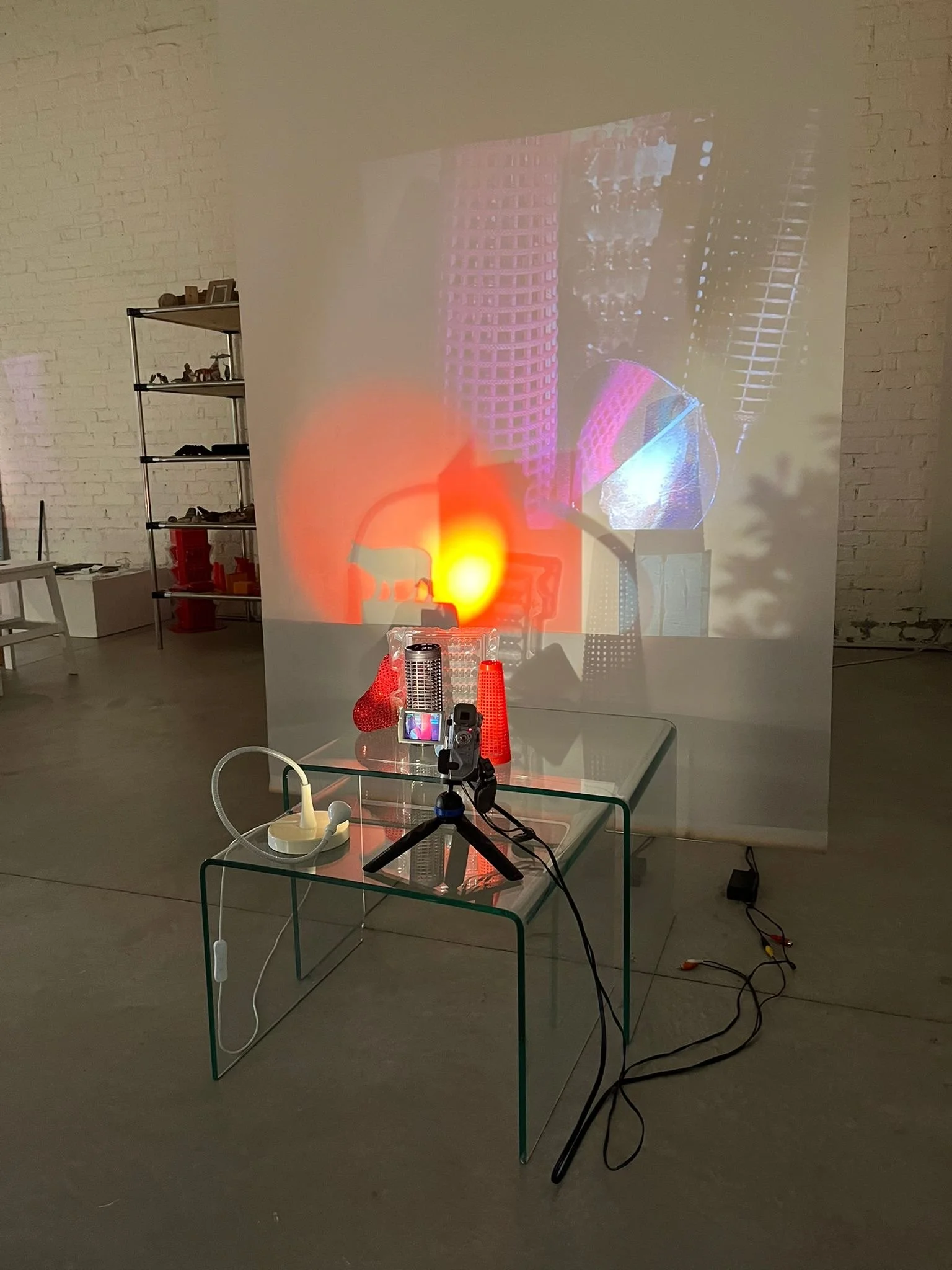
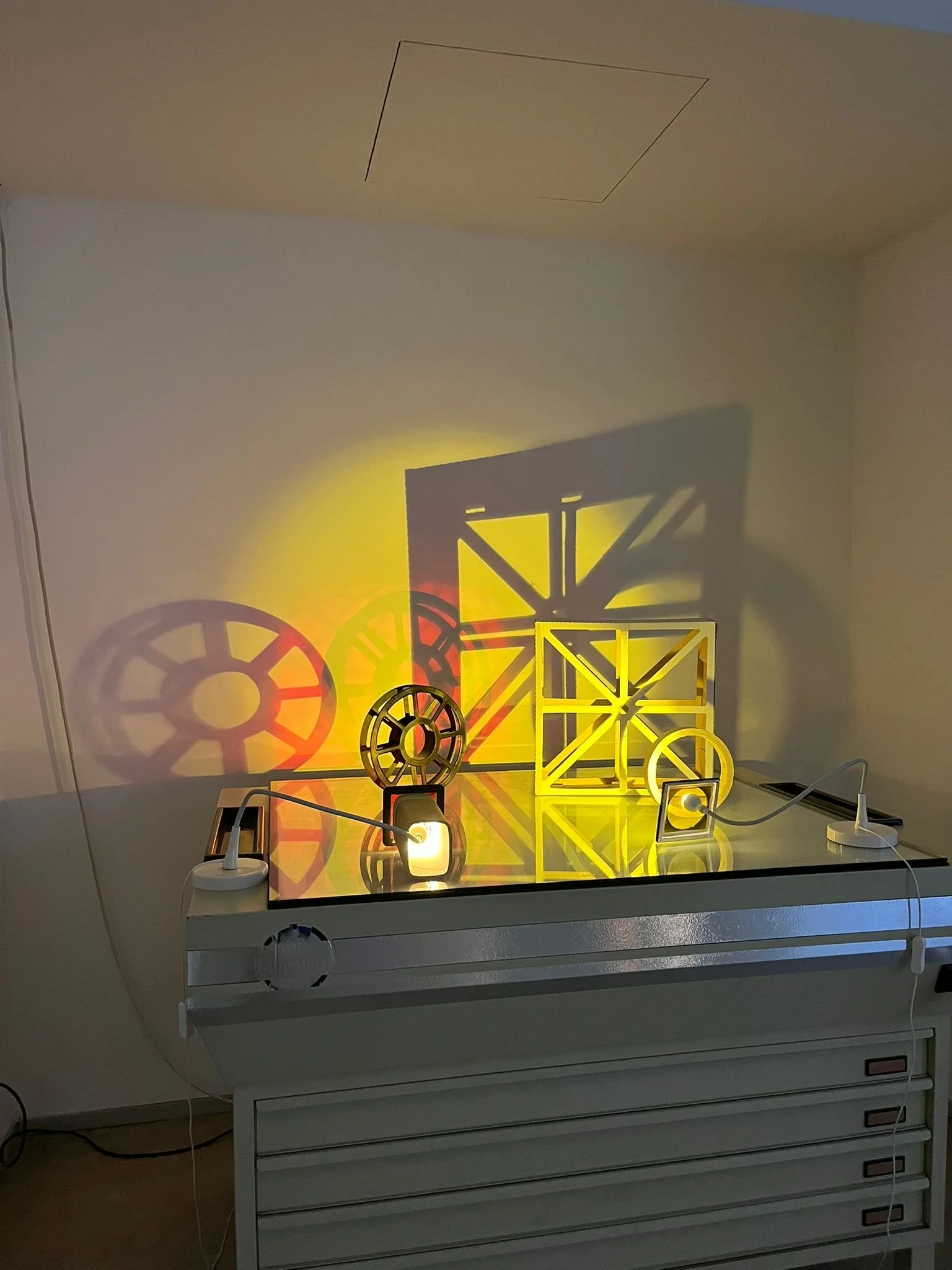
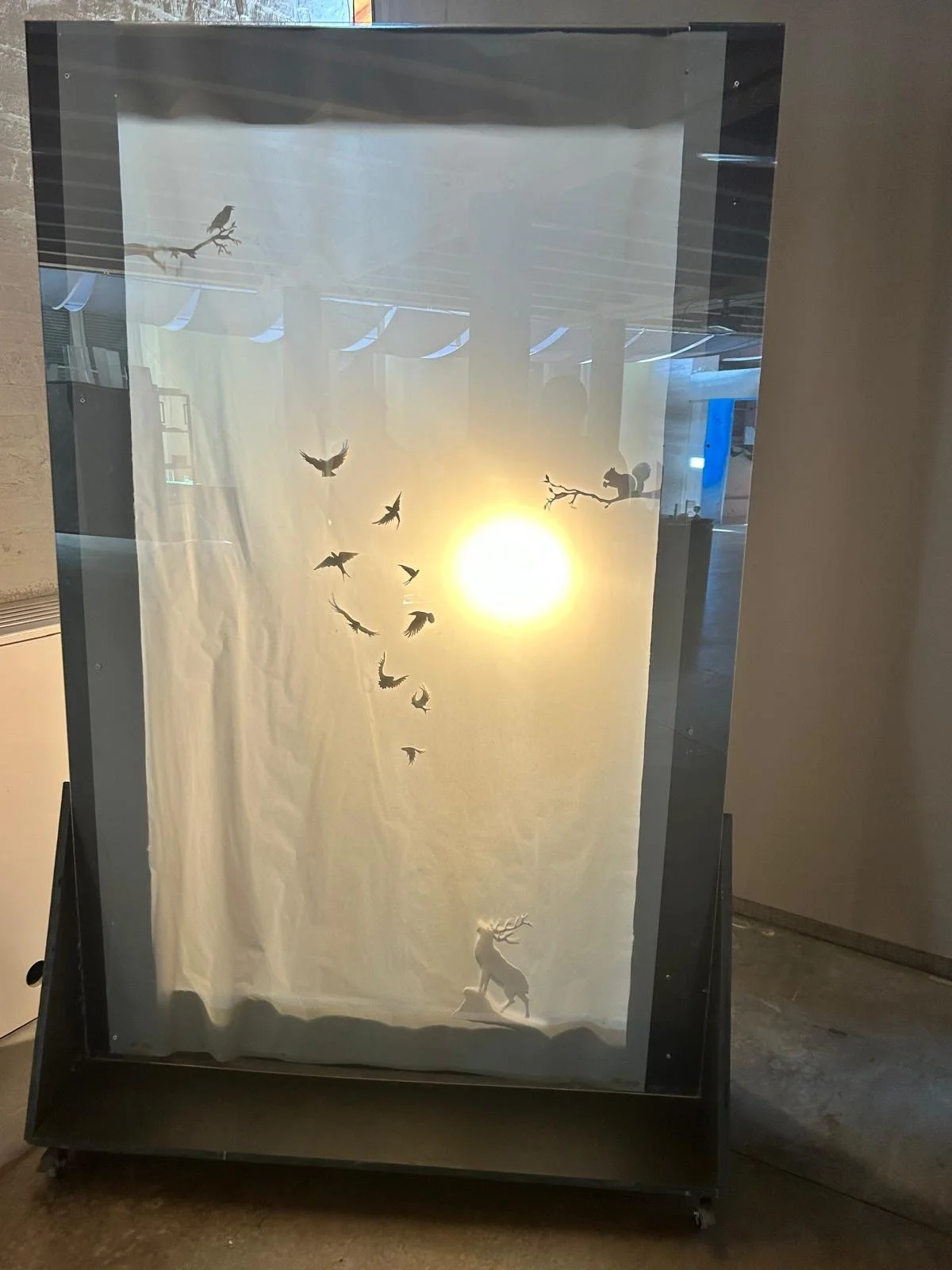
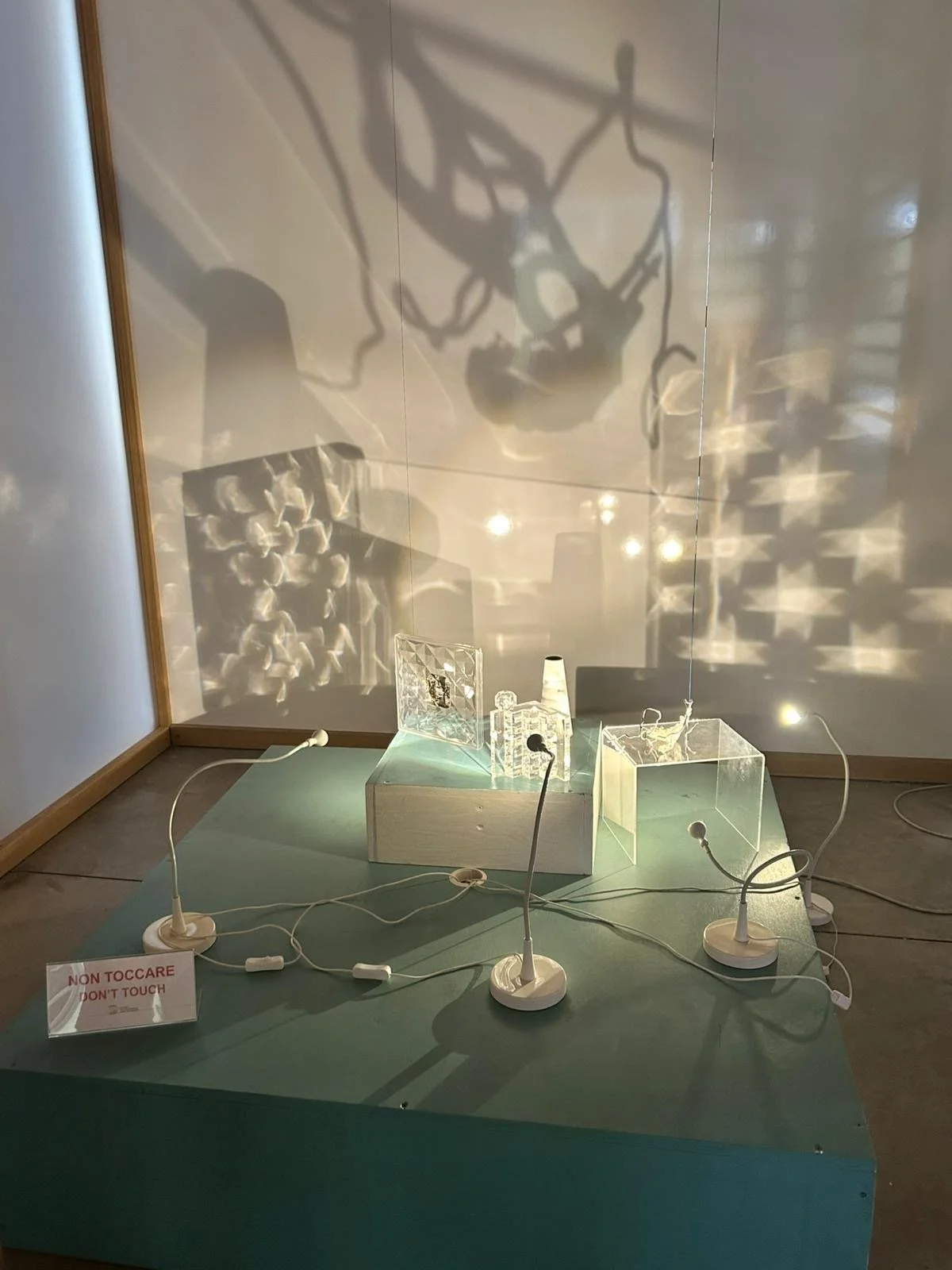
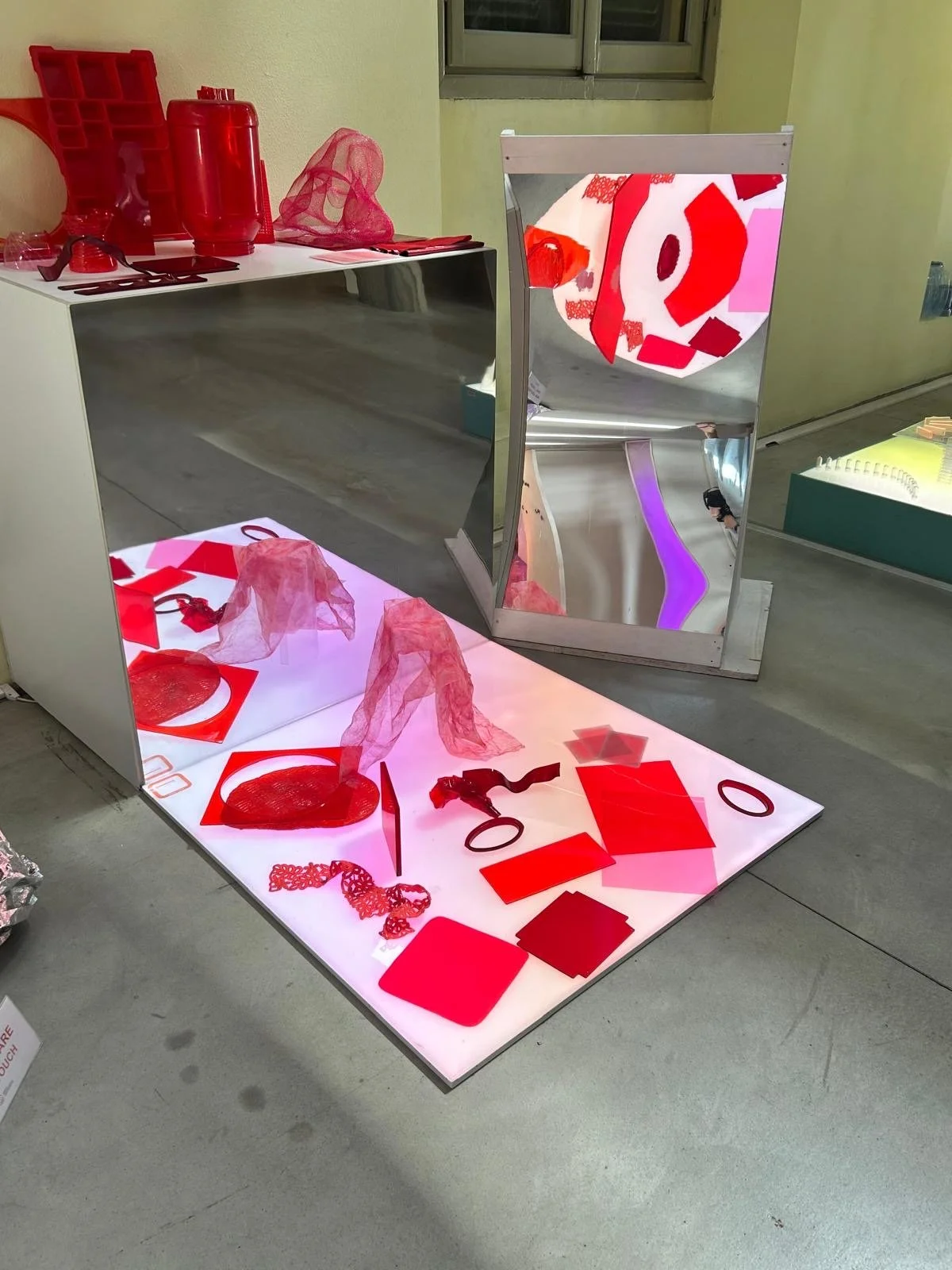
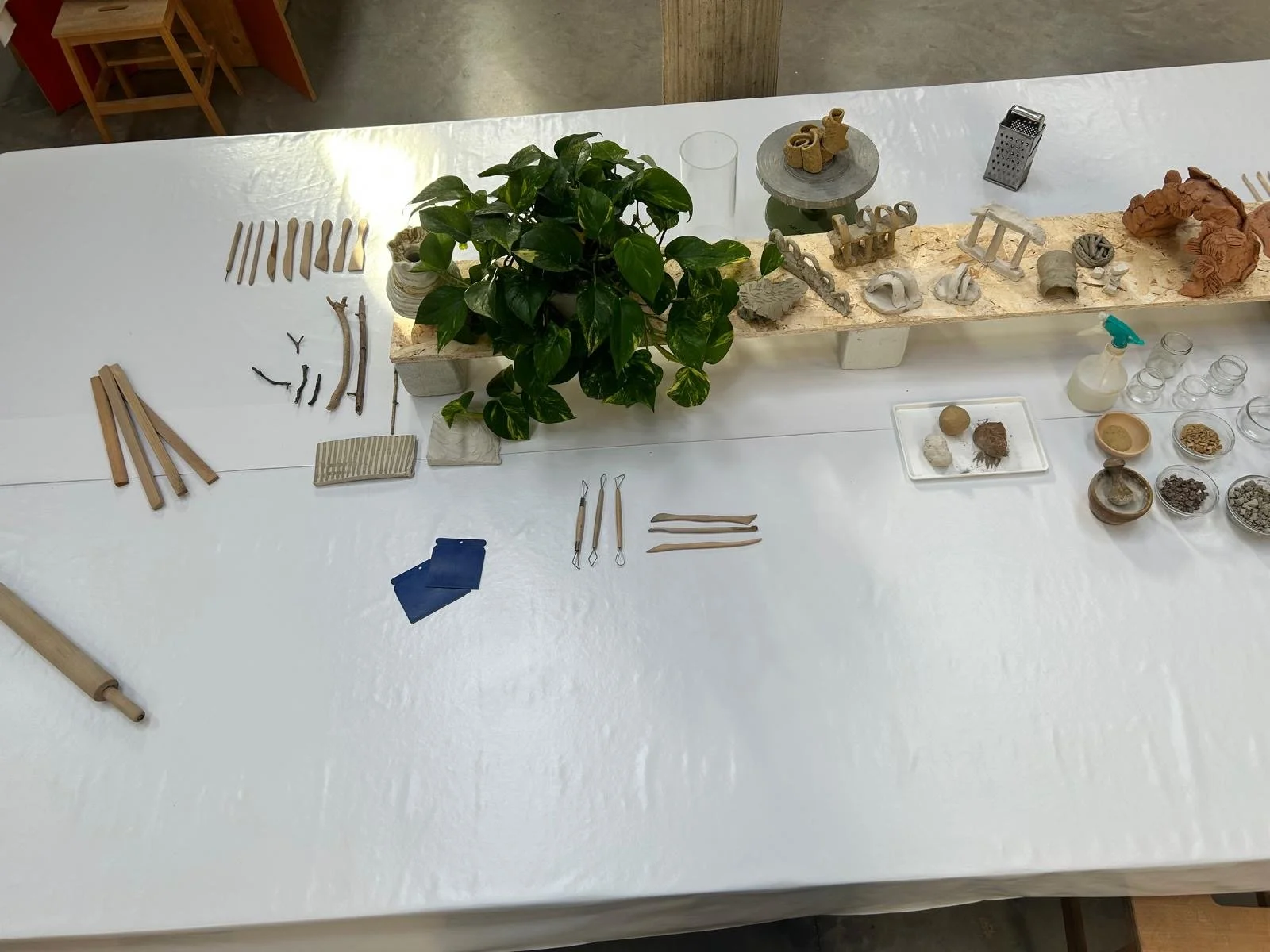
One of the most striking aspects of the visit was seeing how children's ideas were revisited, extended and explored through multiple forms of expression. In one preschool, a simple display of dried and fresh poppies became the starting point for observation, conversation, drawing and painting. What initially appeared to be a straightforward provocation revealed a much deeper level of intentionality. Elsewhere in the environment, children were exploring the same observations through clay, wire and light, investigating the shapes and structures they had previously noticed. The focus was not on completing an activity, but on revisiting an idea through different materials and perspectives.
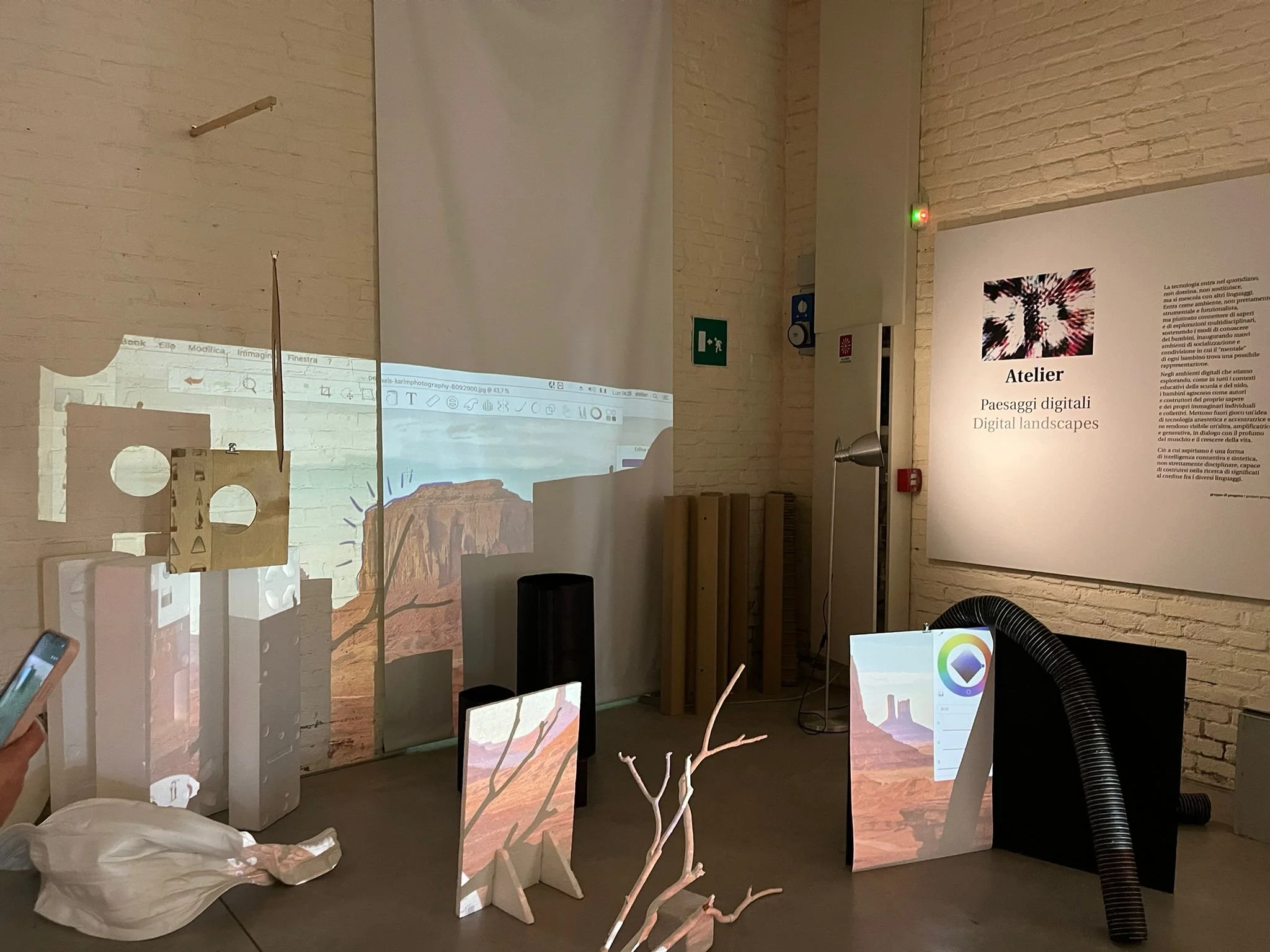
Another particularly inspiring area featured a fish tank filled with aquatic plants positioned in front of a projector. The changing shadows and projections created opportunities for children to draw, trace, observe and interpret what they saw. Once again, the emphasis was not on a predetermined outcome but on creating opportunities for children to investigate, represent and communicate their thinking.
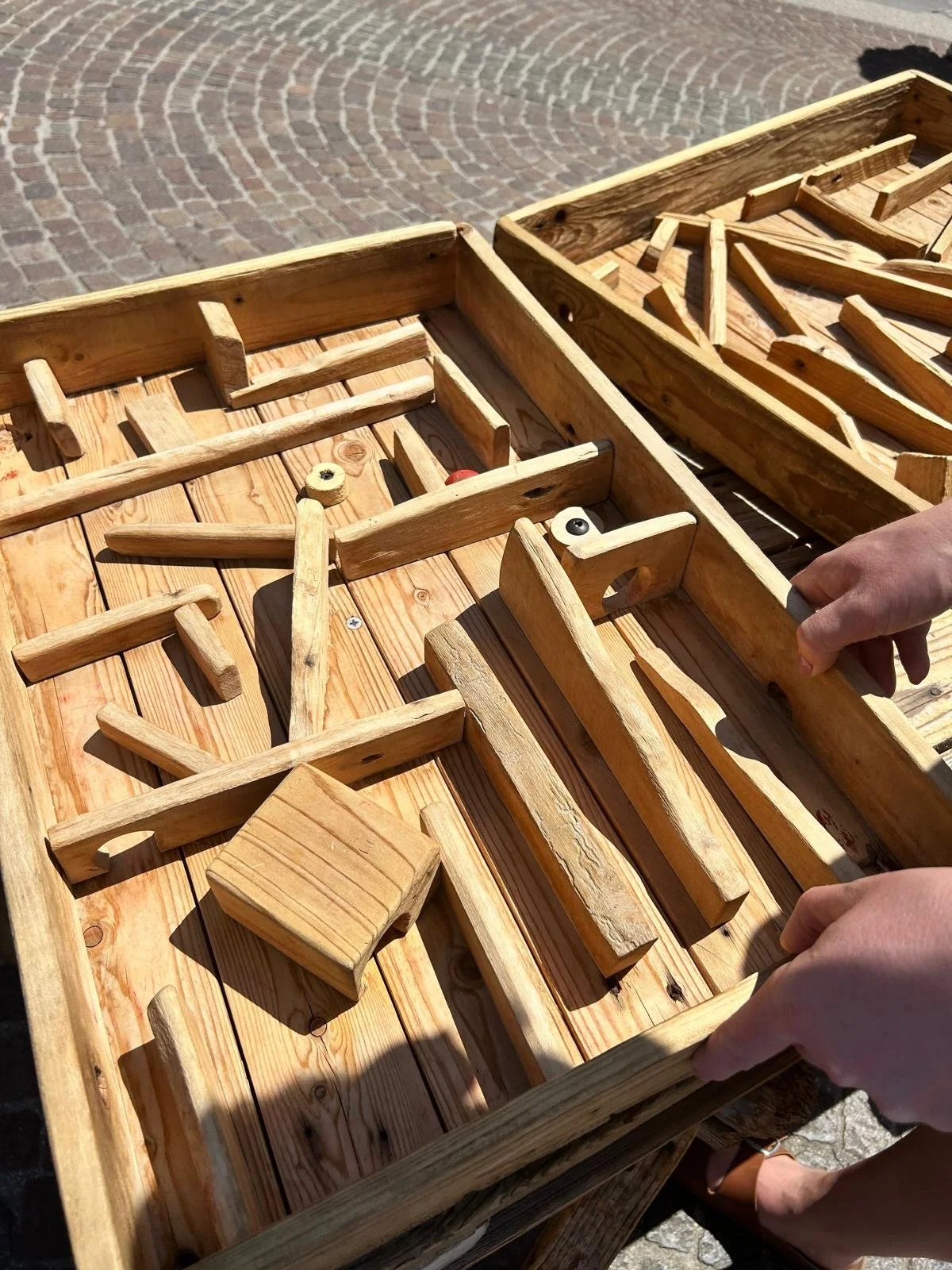
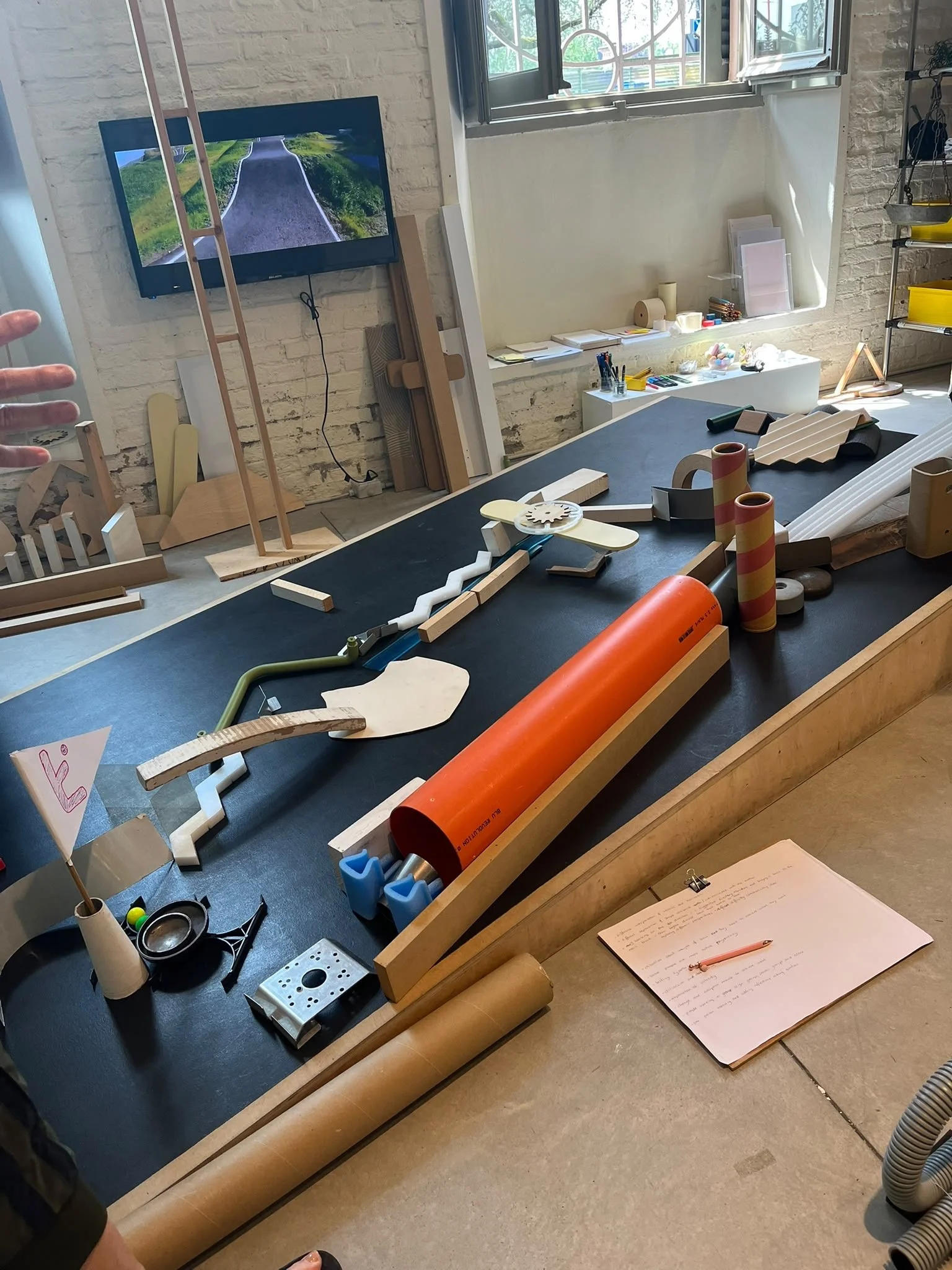
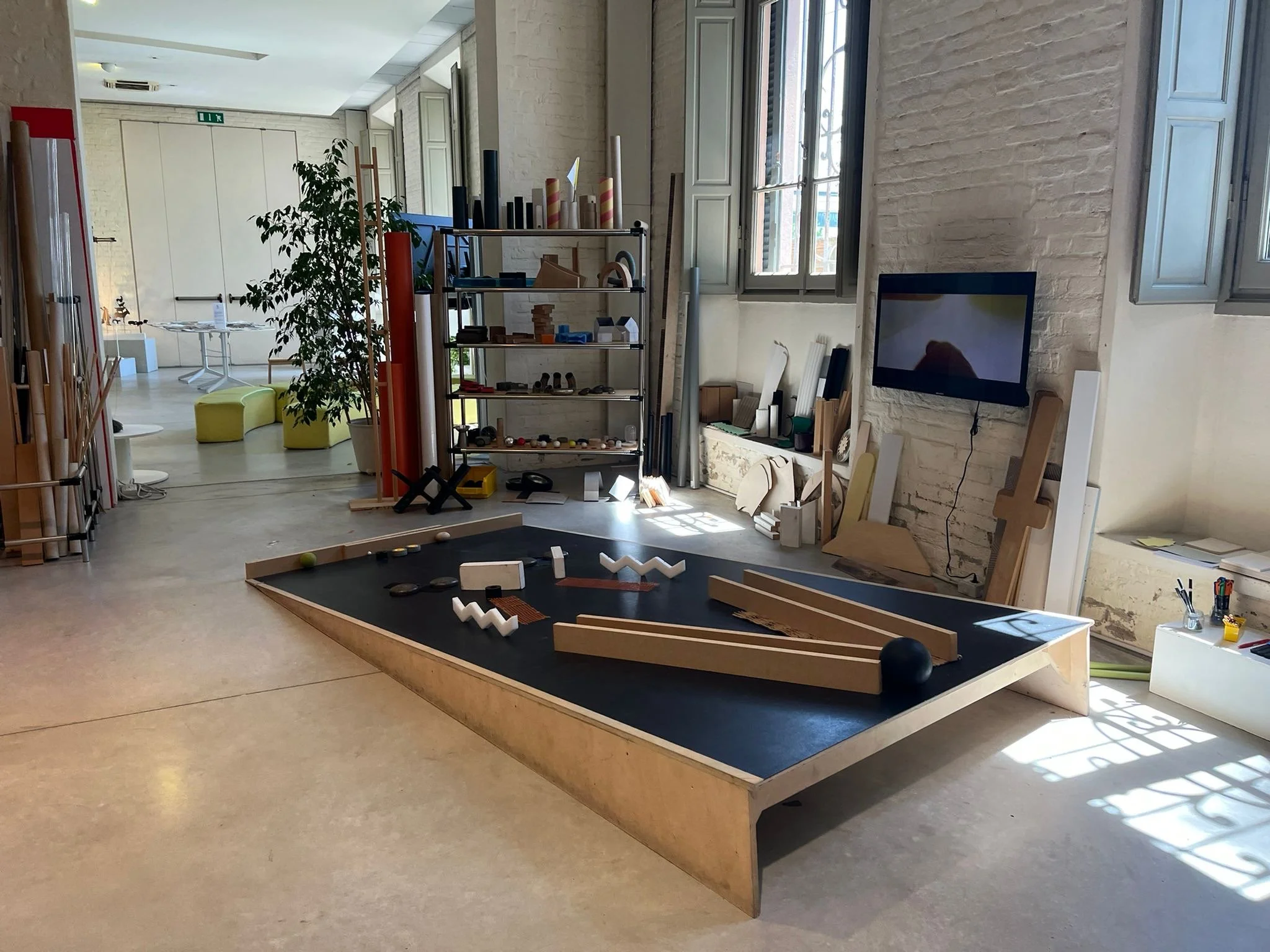
In another area, children were exploring tracks and marbles, developing theories about movement, direction and cause and effect. What fascinated us was how the investigation extended beyond the original experience. Later, children were observed outdoors rolling themselves along the ground, physically exploring and embodying the same concepts through their own movement and play. The learning was not confined to one activity or one space; it evolved, deepened and reappeared in new forms over time.
This challenged us to think more carefully about our own role. The question is not simply, "What are children learning?" The question becomes, "What are children thinking?" And perhaps more importantly, "How do we know?"
The experience reinforced the importance of slowing down, listening carefully and making children's thinking visible. It reminded us that meaningful learning is not always measured by what children produce, but by the ideas, questions and connections they are developing along the way.
“The most meaningful professional learning often comes from being challenged.”
The Courage to Question
Throughout the week, we encountered ideas that prompted us to pause and reconsider aspects of our own practice. Many were not entirely new concepts, but they were explored with a depth and intentionality that encouraged us to think differently.
One of the greatest challenges was reconsidering our assumptions about progression. We were repeatedly reminded that deep learning is not always linear and that children's understanding often develops through revisiting experiences, returning to questions and exploring ideas through multiple forms of expression. What might initially appear to be repetition was often revealed as increasingly sophisticated thinking.
We also found ourselves reflecting on our role as educators. Rather than directing learning or providing answers, we observed adults listening carefully, documenting children's ideas and remaining curious alongside them. The emphasis was not on moving children towards a predetermined outcome, but on understanding the thinking taking place beneath the surface.
Perhaps most significantly, the experience challenged the notion that excellence can ever be fully achieved. The more we listened, observed and discussed, the more we realised there were new perspectives to consider and deeper layers of understanding to uncover.
Rather than leaving with certainty, we left with renewed curiosity, a greater appreciation for the complexity of learning and a stronger commitment to continuing our own journey of professional enquiry.
Learning Together
While Reggio Emilia itself was the destination, some of the most valuable learning came from the people we met along the way.
Hayley and Tina participated in the study group organised through NAREA (the North American Reggio Emilia Alliance), joining delegates from across North America, Australia and other parts of the world. While the educational contexts varied considerably, many of the conversations centred around the same fundamental questions: How do we truly listen to children? How do we create meaningful learning experiences? How do we build stronger relationships between children, families and communities?
Some of the most valuable learning took place between sessions. Discussions continued over meals, during visits and while reflecting on what had been observed throughout the day. These conversations challenged our thinking, validated aspects of our practice and introduced new perspectives that will continue to influence our work long after the visit itself.
One concept that particularly resonated with Tina was NOI - "We Together". Education was not viewed as the responsibility of one person or one setting, but as a shared endeavour involving children, educators, families and the wider community. This idea echoed throughout the week and reinforced the importance of collaboration, dialogue and collective responsibility for children's learning.
The experience also highlighted the importance of remaining connected to wider professional networks. Alongside our participation in NAREA, KatieB Kids is an active member of Sightlines Initiative, the UK organisation supporting Reggio Emilia-inspired dialogue, research and collaboration. These professional communities provide opportunities to continue learning, challenge our assumptions and engage with educators who share a commitment to reflective and research-informed practice.
Professional growth does not happen in isolation. It happens through discussion, enquiry and collaboration.
By participating in international professional dialogue, we not only strengthen our own practice but contribute to wider conversations about childhood, learning and the future of early years education. The learning does not remain with the individuals who attended. Through leadership development, staff training, mentoring, professional writing, parent education and ongoing pedagogical dialogue, the ideas explored in Reggio Emilia continue to influence practice across our organisation and beyond.
What This Means for KatieB Kids
As we began reflecting on everything we had seen, discussed and experienced throughout the week, one realisation became increasingly clear: the most significant learning was not about discovering something entirely new. In fact, one of the greatest surprises was how familiar many of the underlying principles felt.
Throughout the visit, we repeatedly encountered ideas that resonated strongly with our own values and aspirations for children. We recognised the importance of relationships, the image of the child, the value of observation, the role of community and the belief that learning is something children actively construct.
Rather than returning with a desire to change everything, we returned with a deeper appreciation of the thinking that already underpins much of our practice. We are not seeking to become Reggio Emilia; we are continuing to develop and strengthen what makes KatieB Kids unique. The visit did not alter our values. It deepened our understanding of why they matter.
In many ways, the experience reaffirmed the importance of the work already taking place across our nursery. It reminded us that meaningful improvement is not always about doing more; often, it is about noticing more, listening more deeply and creating greater opportunities for children to develop, revisit and express their ideas over time.
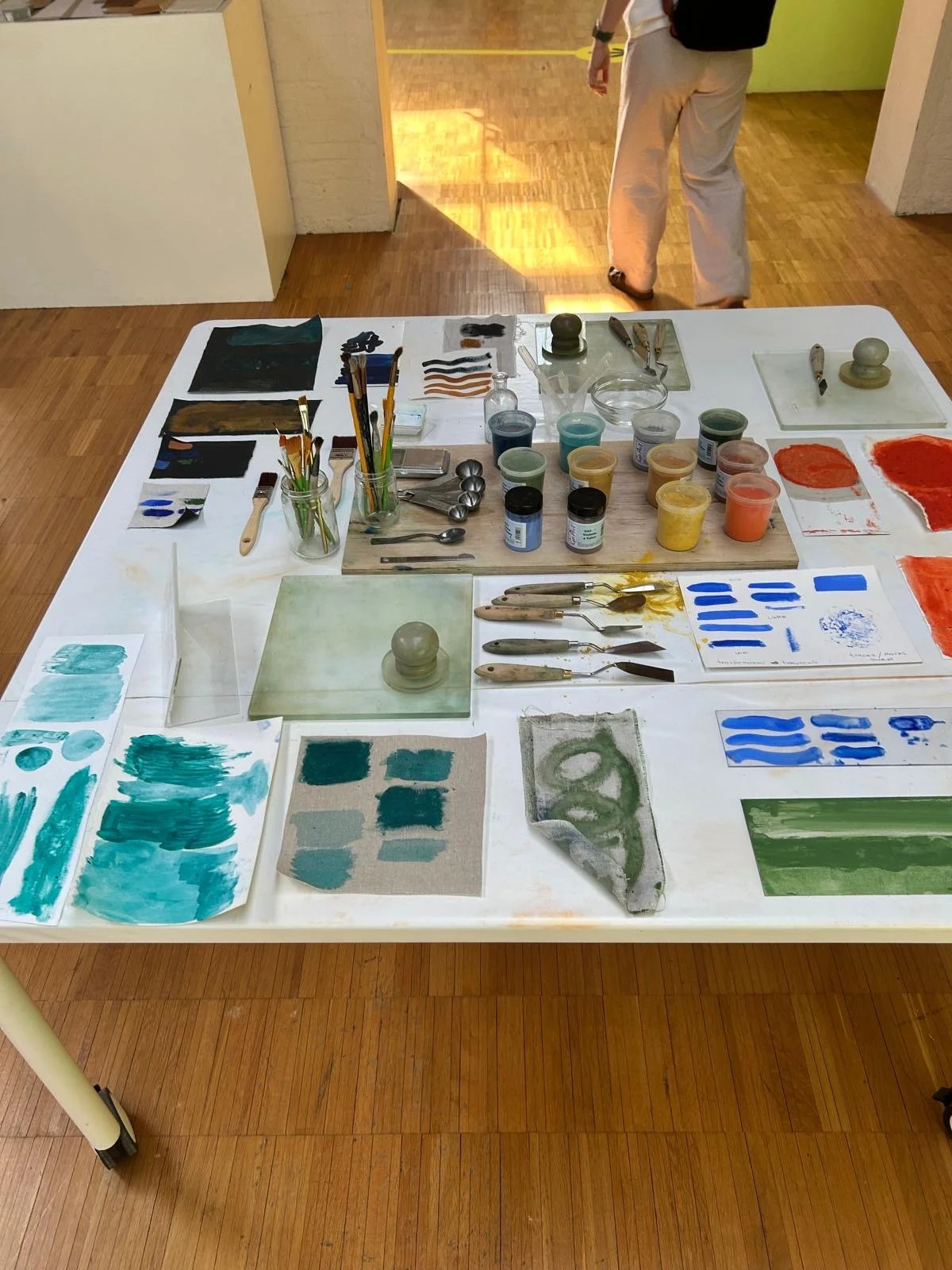
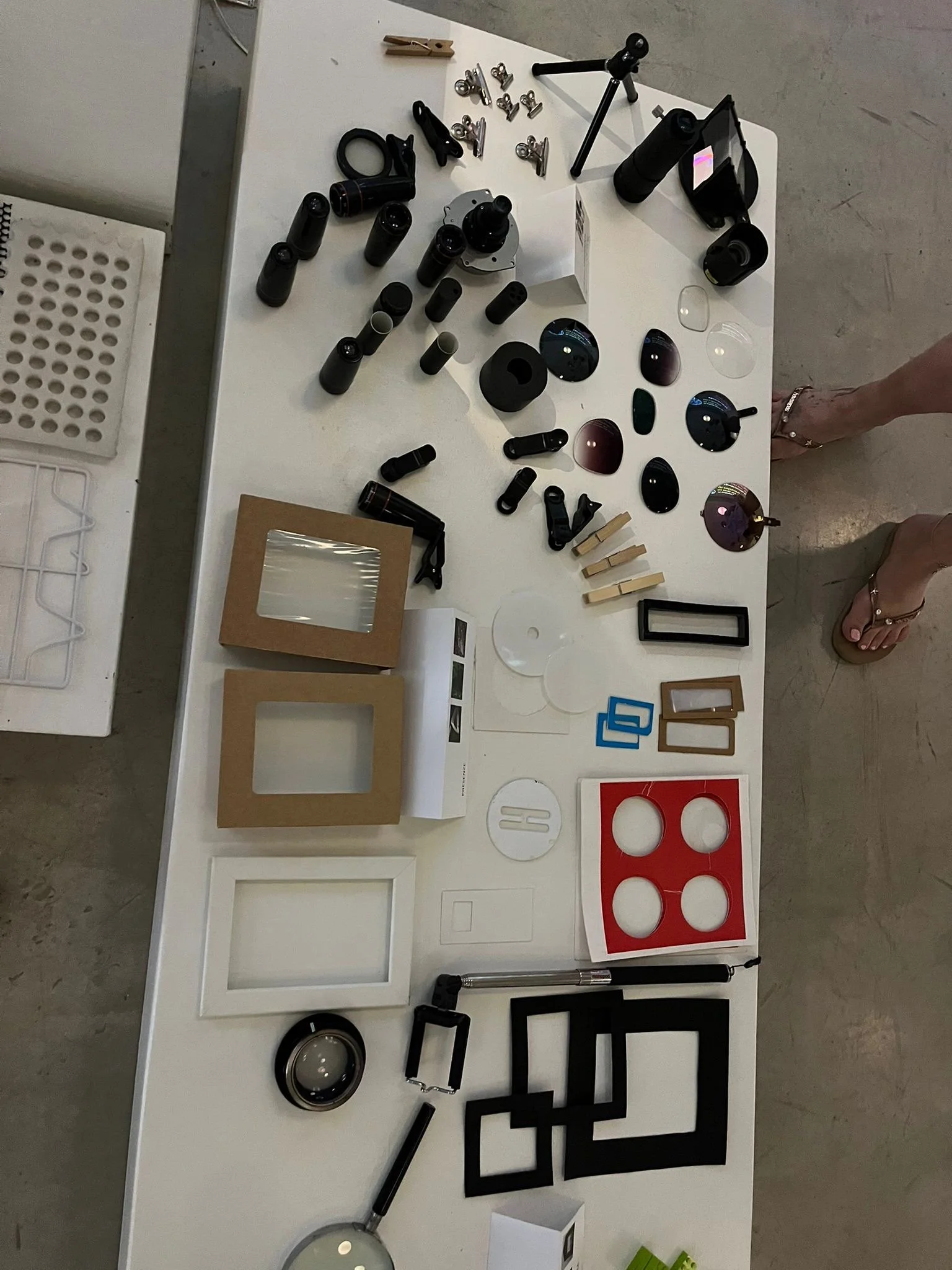
Over the coming months, families and staff may notice developments inspired by this learning, including further exploration of:
storytelling
photography
documentation
clay
mirrors
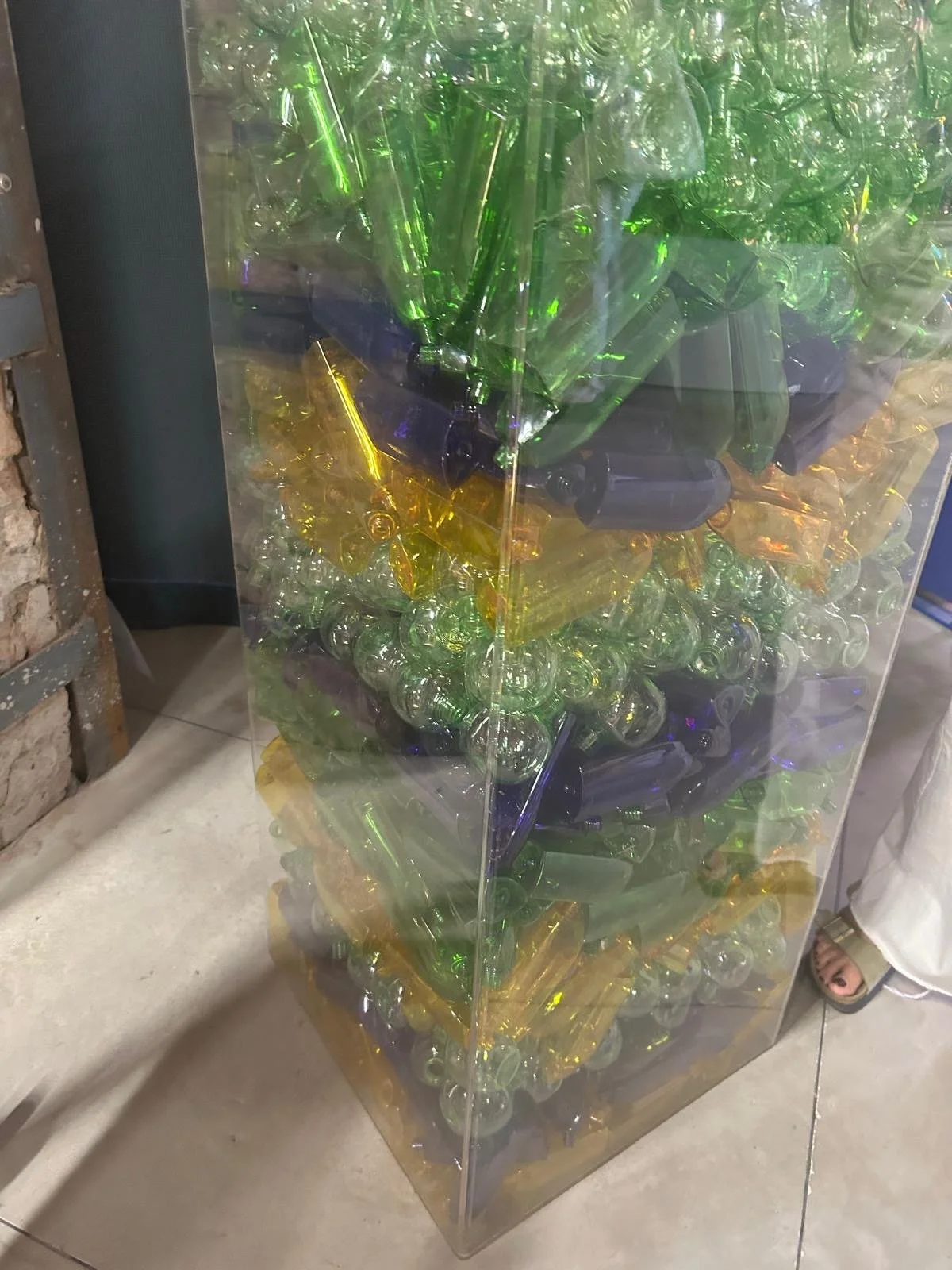
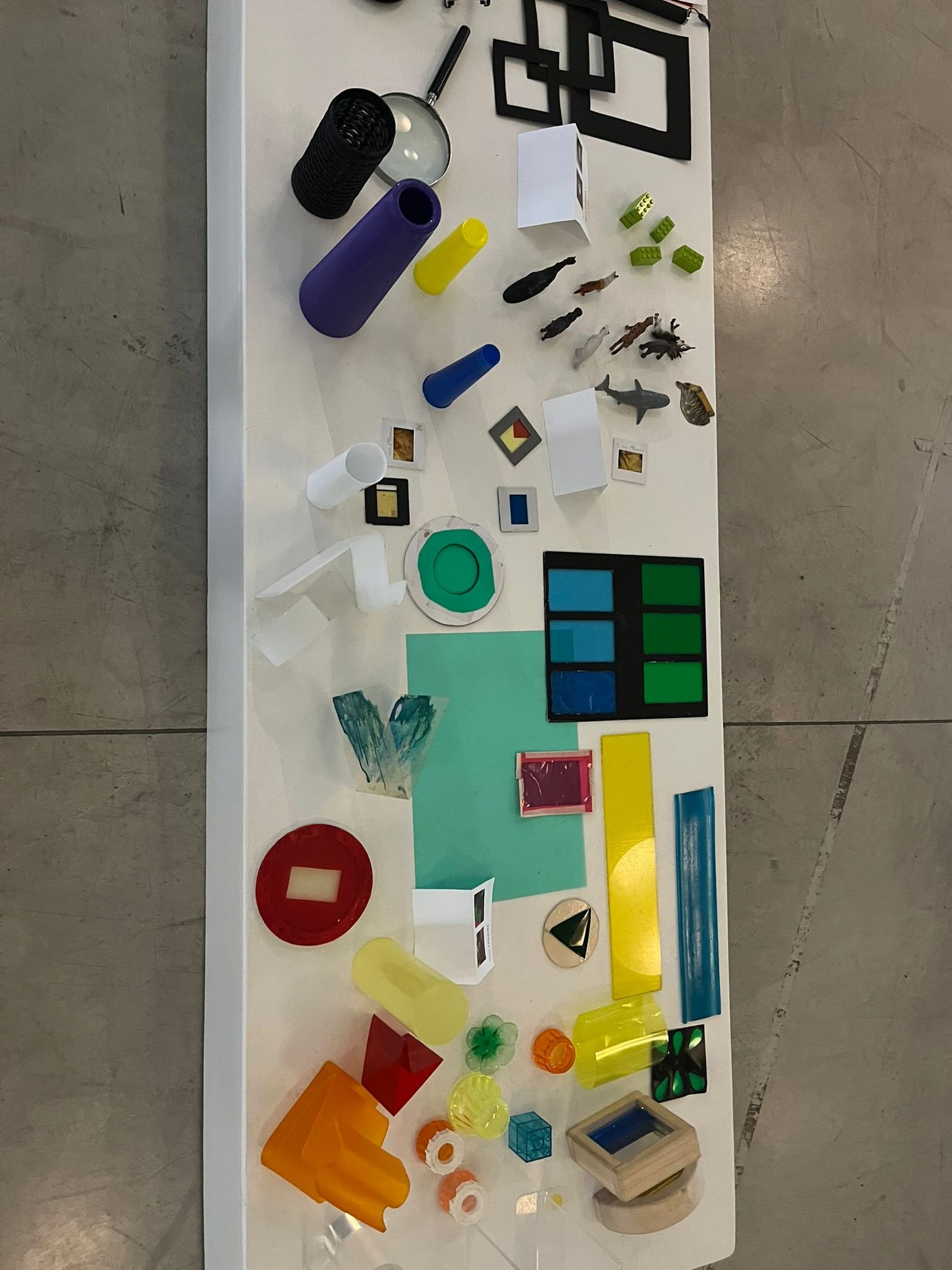
light and projection
music
open-ended creative experiences
These are not changes for the sake of change. They are opportunities to deepen children's thinking, expression and engagement, while helping us understand their ideas and theories more deeply. Most importantly, the learning will continue to influence how we observe, listen, reflect and respond to children every day.
The greatest impact will not be found in resources. It will be found in how we listen, observe, reflect and respond to children.
Excellence Is a Journey
As we settled back into nursery life and began sharing our experiences with colleagues, one message continued to surface: excellence is not a destination. It is a journey.
Throughout the week, we were reminded that meaningful professional development is not measured by certificates, courses completed or ideas collected. It is measured by how learning influences practice, strengthens relationships and ultimately improves outcomes for children.
The learning from Reggio Emilia does not remain with the individuals who attended. It becomes part of the wider professional learning culture of KatieB Kids, informing leadership development, staff training, pedagogical enquiry, curriculum development, mentoring, parent education and our contribution to wider professional dialogue across the sector. This is how meaningful professional learning creates impact: not through individual achievement, but through collective growth.
The experience may have ended when we boarded the flight home, but the thinking continues. It lives on in the conversations we have with colleagues, the questions we ask of our practice, the environments we create and the relationships we build with children and families every day.
The true value of professional learning is not found in the experience itself, but in what happens afterwards. It is found in the decisions we make, the ideas we continue to explore and our willingness to remain curious, reflective and open to new perspectives. That is the commitment we bring back to KatieB Kids.
For our children.
For our families.
For our team.
And for the future of early years education.
Because excellence is not a destination.
It is a journey.

“Learning and teaching should not stand on opposite banks and just watch the river flow by; instead, they should embark together on a journey down the water.”